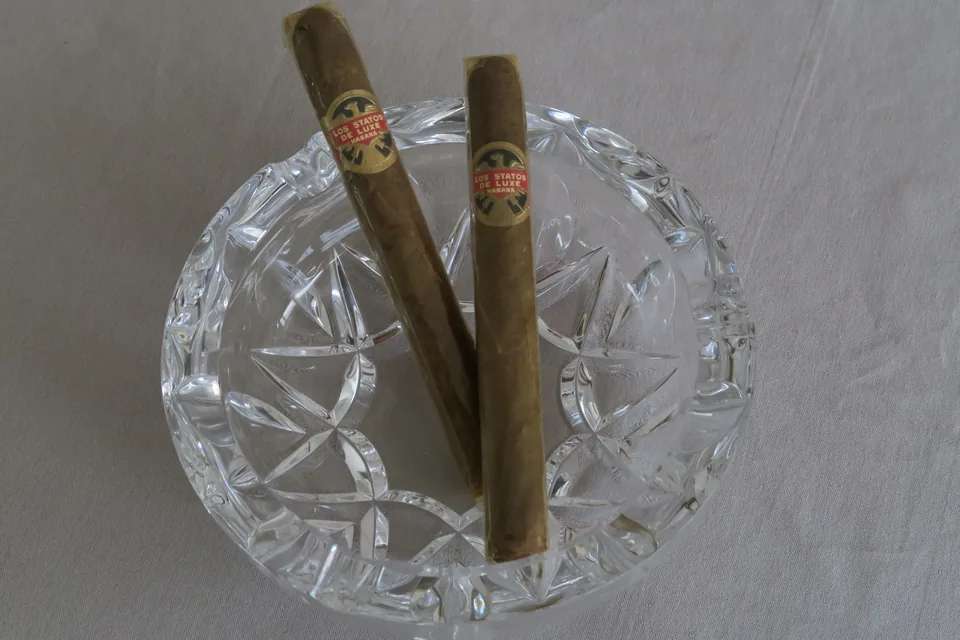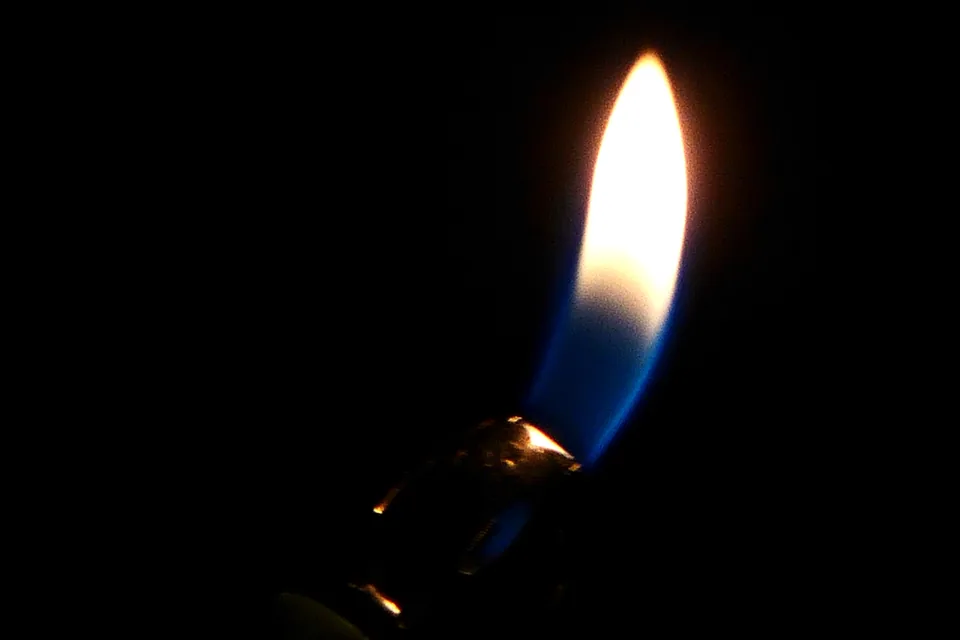
A cigar lighter matters more than most people think. The flame touches the tobacco before you taste anything, so a dirty or smelly flame flavours the whole first third. Fortunately, the rule is simple: use a clean, odourless heat source and keep it a little away from the leaf. This guide compares the options and explains how to look after them. For technique, see our guide on how to light a cigar.
Why the flame matters
A cigar has a much wider foot than a cigarette, so it needs more heat to catch evenly. It also absorbs aromas easily. A flame that carries fuel smell or wax will leave that taste behind.
That is why smokers avoid candles, kitchen gas stoves and petrol lighters. Instead, they reach for butane, wood or cedar. Each of these burns cleanly, so the first puffs taste of tobacco rather than fuel.
Types of cigar lighter compared
Most cigar flames fall into five groups. The table below sums up their trade-offs.
| Flame | How it burns | Strengths | Weaknesses |
|---|---|---|---|
| Single-jet torch | One focused blue jet | Fast, wind-resistant | Easy to scorch the foot |
| Double or triple jet | Two or three jets side by side | Covers wide ring gauges quickly | Uses fuel fast; very hot |
| Soft flame (butane) | Yellow flame like a match | Gentle, traditional | Blows out in wind |
| Wooden matches | Natural wood flame | No fuel taste once sulphur burns off | Need several for big cigars; hate damp |
| Cedar spill | Burning strip of cedar | Gentle, aromatic, ritual | Needs another flame to light it |
Torch lighters
A torch mixes butane with air to make a hot, needle-like jet. The TSA notes that this flame can reach around 2,500 °F, far hotter than a common lighter. Single-jet models are precise. Double and triple jets spread the heat across the foot, which helps with thick cigars.
The weakness is that same heat. Held too close, a torch chars the wrapper and can make the first puffs bitter. For that reason, keep the tip of the jet just short of the tobacco and rotate the cigar slowly.
Soft-flame lighters
A soft-flame lighter burns butane without mixing in extra air. The result is a yellow, flickering flame like a match. Many smokers find it gentler for toasting the foot. However, it bends and dies in a breeze, so it suits indoor rooms better than an open terrace.
Wooden matches and cedar spills
Long wooden matches are the classic choice. Strike one, wait for the sulphur head to burn away, then bring the flame close. A large cigar may need two or three matches.
A cedar spill is a thin strip of Spanish cedar, often the sheet that lines a cigar box. You light the spill with a match or lighter, then light the cigar from the spill. It burns slowly and adds a faint woody note. It is also a lovely ritual when you have time.
Petrol lighters
Classic petrol lighters, the Zippo type, burn naphtha soaked into a wick. That fuel has a strong smell, and many smokers say it carries into the taste. If you are attached to one, some models accept a butane insert instead. Otherwise, save petrol lighters for other jobs.
Butane quality and refilling
Butane lighters fail most often because of the fuel, not the lighter. Low-grade gas can carry impurities that clog the fine jet over time. Refined butane, sold as multiple-times filtered, tends to keep jets clear for longer.
Refilling well takes a minute:
- Turn the flame setting down. Set the adjuster to its lowest point.
- Purge the tank. Press the fill valve with a small tool until the hissing stops. This releases trapped air.
- Refill upright. Hold the lighter valve-up and the can nozzle-down, then press in short bursts.
- Wait a few minutes. Let the gas settle and reach room temperature.
- Reset and test. Turn the flame back up gradually until it looks right.
Also, never leave a butane lighter in a parked car. Malaysian car interiors get extremely hot in the sun, and heat raises the pressure inside the tank.
Humidity and wind in Malaysia
Our climate tests every cigar lighter. Outdoors, sea breezes on a Penang balcony or a Langkawi beach make soft flames frustrating. In those spots, a torch is the practical choice.
Humidity is the other issue. Damp air softens matchheads and swells the wood, so matches fail to strike. Keep them in a sealed tin, and store cedar spills somewhere dry. Butane lighters are less affected, though a cold, air-conditioned room can make some flames weaker for a moment after you bring them in from outside.
Where you light up
Wherever you smoke, follow local rules on smoking areas. Our guide on where to smoke cigars in Malaysia explains the basics.
Flying with a cigar lighter
Lighters are dangerous goods under aviation rules. In general, international rules allow one small lighter or one book of safety matches, carried on your person rather than in a bag. Spare lighters and butane refills are usually forbidden altogether.
Torch lighters are a special case. Their intense blue flame led aviation regulators to single them out, and an ICAO Dangerous Goods Panel paper discusses that change. Many airlines now forbid torch lighters in both cabin and checked bags. In the US, the TSA lists them as not allowed in either.
Rules differ between countries, and airlines can be stricter than the law. So before you fly, check your airline’s dangerous-goods page and the Civil Aviation Authority of Malaysia. If in doubt, leave the torch at home and use matches at your destination.
Safety basics
A cigar lighter is still a flame, so a little care goes a long way.
- Keep lighters away from children and out of hot cars.
- Close the lid or let the flame die fully before pocketing a lighter.
- Never refill near a flame or a lit cigar.
- Put out matches and spills completely in an ashtray.
No accessory makes smoking safe, of course. Our page on cigar health risks sets out the facts.
Bringing it together
Start with whatever clean flame you have: a soft-flame lighter or long wooden matches. Add a torch if you often smoke outdoors. Then learn the technique in our guide on how to light a cigar. After that, pair your flame with a good blade from our guide to cigar cutters.
Frequently asked questions
Can you light a cigar with a Zippo?
You can, but most smokers avoid it. Classic petrol lighters burn naphtha, which has a strong smell that can carry into the first puffs. If you love the lighter itself, butane inserts are available for some models.
Is a torch or soft flame better for cigars?
Neither is better in every case. A torch is quick and handles wind well, but it can scorch the foot if held too close. A soft flame is gentler and slower, and it works best indoors.
Can I take a torch lighter on a plane?
Usually not. Torch, jet and blue-flame lighters are widely forbidden in both cabin and checked baggage. Ordinary small lighters are often allowed only on your person. Always check your airline and the departure country’s rules first.
Why does my butane lighter keep failing?
The usual causes are an empty or airlocked tank, low-grade fuel clogging the jet, or a flame setting that is too low. Purge the tank, refill with refined butane, wait a few minutes and try again.
Are wooden matches good for cigars?
Yes, if they are long and unwaxed. Let the sulphur head burn off before you bring the flame to the cigar. In Malaysia’s humidity, keep matches in a sealed tin so they stay dry.