Knowing how to taste a cigar turns an hour of smoke into an hour of discovery. You do not need a gifted palate. Instead, you need a slow pace, a simple method and a few words for what you notice. This guide covers the full routine, from the cold draw to the last third, plus a tasting notes template you can copy into a notebook.
Before you light: look, smell and the cold draw
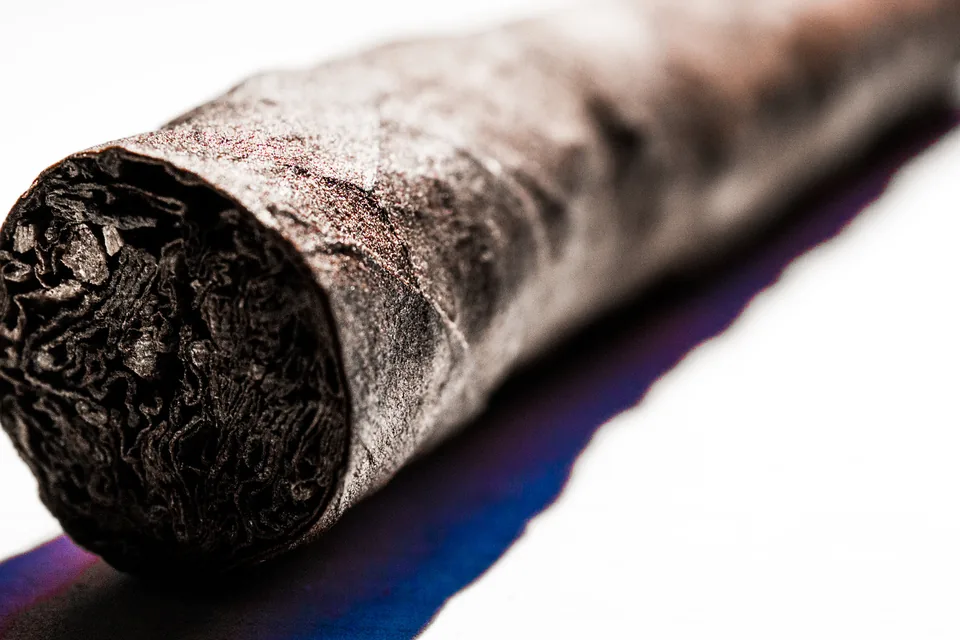
Tasting starts before the flame. First, look at the wrapper. Is it oily or dry, smooth or veiny, light or dark? Darker leaf often hints at sweeter, richer flavour.
Next, smell the wrapper and then the foot, the open end. The foot shows the filler blend. You may pick up hay, barnyard, cedar or cocoa.
Then cut the cap and take a cold draw. Pull air through the unlit cigar, as you would through a straw. Notice the flavours on your lips and tongue. Common cold draw notes include raisin, spice, hay and sweet tobacco. Also check the draw itself. It should feel slightly firm, not tight and not loose.
How to taste a cigar, step by step
Once you have lit the cigar, the real tasting begins. If lighting is new to you, our guide on how to smoke a cigar covers the basics.
- Take small, slow puffs. Draw gently for two or three seconds. Aim for one puff every 45 to 60 seconds, so the cigar never burns hot.
- Hold the smoke in your mouth. Let it roll over your tongue for a few seconds. Do not inhale.
- Release it slowly. Push the smoke out through your lips and notice the texture. Is it thin, creamy or chewy?
- Notice the finish. After you exhale, pay attention to what lingers. A long, pleasant finish is a sign of quality.
- Try a retrohale. Every few puffs, send a little smoke out through your nose.
- Rest your palate. Sip water between puffs now and then.
The first puffs
The first few puffs are often bright and peppery. The cigar is still settling, and the wrapper dominates. Do not judge the whole cigar on these. After about five minutes, the flavours usually calm and become clearer.
Tasting by thirds
Cigar makers often say a cigar has three thirds, sometimes called tercios. Each third tastes different, because the burn concentrates oils and tar as it moves towards the head.
| Third | What usually happens | What to note |
|---|---|---|
| First | Lighter, brighter, more wrapper | Opening flavours, pepper, sweetness |
| Second | Fuller, more balanced, core of the blend | New notes, changes in body |
| Last | Stronger, darker, sometimes bitter | Whether it stays smooth or turns harsh |
A complex cigar changes across all three. A simpler one stays steady. Neither is wrong, but changes are fun to track. Strength often rises in the last third, so our cigar strength chart is worth a look.
The retrohale
The retrohale is the best tool for tasting aroma. Your tongue only senses sweet, salty, sour, bitter and savoury. Most of what we call flavour comes from smell.
To try it, take a puff and hold the smoke in your mouth. Then breathe out gently through your nose while you let a little smoke go with the air. It stings at first, especially with peppery cigars. So start with a mild cigar and blend the smoke with room air. Never pull smoke into your lungs.
Cigar flavour wheel: the words you need
A cigar flavour wheel sorts tasting notes into families. It gives you a vocabulary, so “nice” becomes “toasted almond with a cedar finish”.
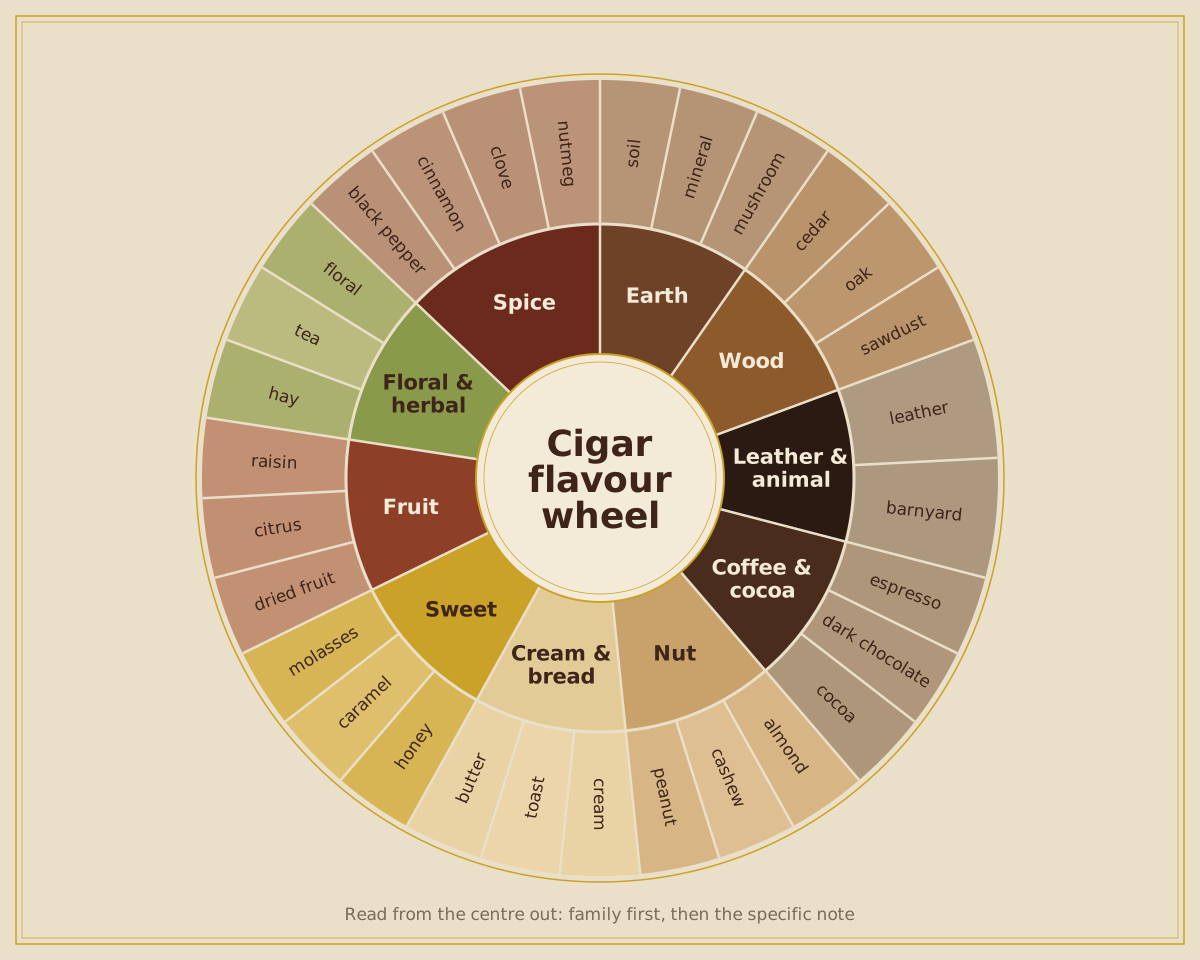
Here are the main families with typical notes:
- Earth: soil, mineral, leather, mushroom, barnyard.
- Wood: cedar, oak, sandalwood, toasted wood.
- Spice: black pepper, white pepper, cinnamon, clove, nutmeg.
- Sweet: honey, caramel, molasses, cocoa, vanilla.
- Nut: almond, cashew, peanut, roasted chestnut.
- Bean: coffee, espresso, dark chocolate.
- Fruit: raisin, fig, dried cherry, citrus peel.
- Cream: butter, cream, milky coffee.
- Floral and herbal: hay, grass, tea, flowers.
Malaysian smokers often find local reference points useful. For example, kopi notes, gula melaka, pandan, or the woody edge of Chinese tea can be easier to name than flavours you rarely taste.
Palate cleansers and setting
Your senses tire quickly. Because of that, plain water is the most useful thing on the table. Sparkling water helps lift tar and spice from the tongue. Plain crackers or apple slices also work.
Keep strong drinks for later if you want to taste carefully. Sugary or peaty drinks can mask subtle notes. Once you know the cigar, our guide to cigar pairings shows how to match a drink to it.
Setting matters too. A breezy terrace scatters aroma, while a hot day dries your mouth. In Malaysia, a shaded, still spot in the cooler evening gives the clearest read. Avoid tasting straight after spicy food, because sambal and chilli dull the palate for a while.
Cigar tasting notes template
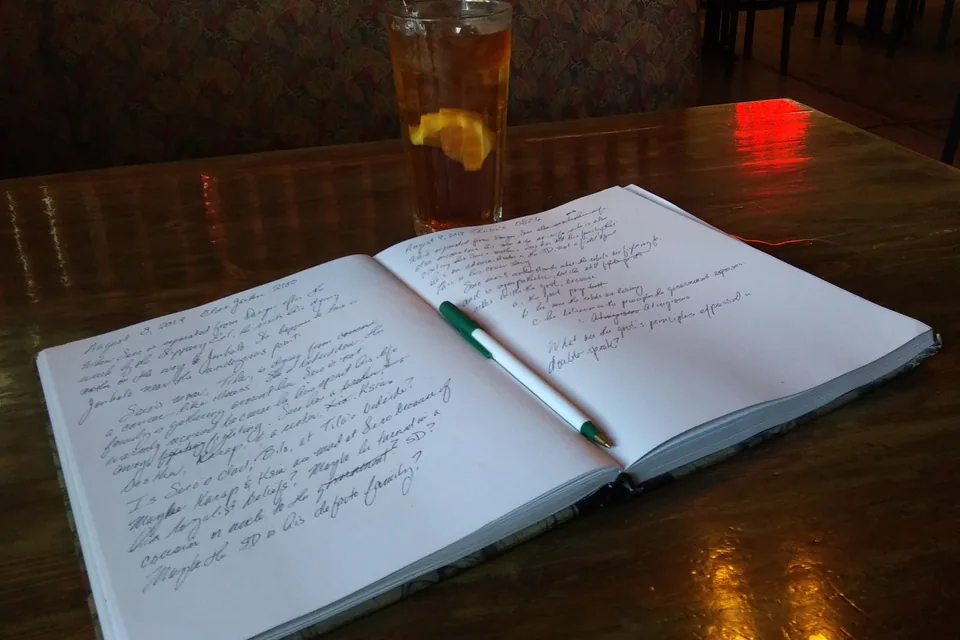
Writing things down is how you learn. The template below is simple enough to fill in during one cigar.
| Field | What to write |
|---|---|
| Cigar and size | Name, vitola, length and ring gauge |
| Date and setting | Time of day, place, drink, food before |
| Appearance | Wrapper colour, oil, veins, construction |
| Cold draw | Flavours and draw resistance |
| First third | Main notes, body, strength |
| Second third | Changes, new notes, balance |
| Final third | Strength, harshness, finish |
| Construction | Burn line, ash, draw, any touch-ups |
| Retrohale | Aromas through the nose |
| Overall | Score out of 10 and one-line verdict |
Keep entries short. One line per third is enough. Over months, patterns appear. You will see which wrappers and origins you enjoy, and which flavours you notice first.
Common tasting mistakes
Most problems come from rushing. Here are the habits that hide flavour most often:
- Puffing too fast. Heat turns sweet notes bitter. If the cigar feels hot to hold, wait a minute.
- Judging too early. The first puffs rarely show the full blend. Give it ten minutes.
- Ignoring the ash. A crooked burn line can mean uneven flavour. Touch it up gently with your flame.
- Smoking to the nub. The final inch is often harsh. It is fine to let a cigar go out and rest it in the ashtray.
- Tasting a dry cigar. In air-conditioned rooms, cigars dry fast and taste thin and hot. Store them properly first.
Building your palate over time
Palates grow with practice, not talent. A few habits speed things up:
- Smoke the same cigar twice. Notice what stays the same and what changes with mood and setting.
- Compare side by side. Try a Connecticut and a maduro version of the same blend, if one exists.
- Taste things on purpose. Smell cedar, cocoa, leather and coffee in daily life, so the words have meaning.
- Read, then check. Look at published tasting notes only after you have written your own.
Finally, remember that every cigar carries health risks, however carefully you taste it. Our guide to cigar health risks explains them plainly.
Frequently asked questions
What do cigars taste like?
Common notes include wood, cedar, leather, earth, coffee, cocoa, nuts, cream, pepper and dried fruit. The wrapper, filler and age shape which ones come forward. Flavoured cigars are a separate category with added sweeteners or aromas.
Should you inhale cigar smoke to taste it?
No. Premium cigar smoke is meant to be held in the mouth and released. A retrohale sends a little smoke out through the nose, but it does not go into the lungs. See do you inhale cigars.
What is a cigar flavour wheel?
It is a chart that groups flavours into families, such as earth, wood, spice, sweet and fruit, then breaks each into finer notes. It gives you words to describe what you taste.
How do I clean my palate between cigars?
Sip plain still or sparkling water. Some smokers also use plain crackers or apple slices. Avoid strong, sweet drinks while you are trying to taste carefully.
Why does my cigar taste bitter?
Usually the cigar is burning too hot from fast puffing, or tar has built up near the head. Slow down, purge by blowing gently through the cigar, and check your storage. Our cigar humidity guide explains why storage matters.