A Sumatra wrapper is one of the oldest and most recognisable leaves in the cigar world, and its story begins just across the Strait of Malacca from Malaysia. The cigar trade is not only about Cuba, Nicaragua, the Dominican Republic and Honduras. A few other places grow the wrappers, binders and fillers that give cigars their colour and much of their flavour. This guide tours those origins, from Indonesia to Ecuador and Connecticut.
Why these origins matter
The wrapper is the outer leaf of a cigar. It makes up a small share of the tobacco, yet it shapes the look, the aroma and the first flavours you notice. Growing good wrapper is hard. The leaf must be thin, supple, even in colour and free of holes.
As a result, a few regions specialise in wrapper and sell it to factories across the Caribbean. A cigar rolled in Estelí might wear an Ecuadorian wrapper over a Mexican binder. Our guide to cigar wrappers covers the colours and types. This page covers the places.
| Origin | Signature leaf | Typical character |
|---|---|---|
| Indonesia (Sumatra, Java) | Sumatra and Besuki wrapper; filler | Cedar, light spice, earthy sweetness |
| Ecuador | Connecticut-seed, Sumatra-seed and habano wrapper | Silky, even; mild to medium |
| Cameroon and Central African Republic | Cameroon wrapper | Thin and toothy; sweet spice, wood |
| Mexico (San Andrés) | San Andrés negro wrapper and binder | Dark, earthy, cocoa; often maduro |
| Brazil (Bahia, Alagoas) | Mata Fina and Arapiraca | Sweet, dark, rich |
| USA (Connecticut, Pennsylvania) | Connecticut shade, Connecticut and Pennsylvania broadleaf | Shade: creamy, mild. Broadleaf: dark, sweet |
| Philippines | Isabela and Cagayan Valley filler | Mild, light |
Indonesia: the home of Sumatra wrapper
In 1863, the Dutch planter Jacobus Nienhuys won a tobacco concession in Deli, near today’s Medan in North Sumatra. He founded the Deli Company in 1869. Within a few decades, Deli leaf had become the most sought-after cigar wrapper in Europe. It was thin, light and stretchy, so one leaf could wrap many cigars.
The Deli estates grew vast, worked by indentured labourers from China and Java under harsh conditions. After the cigar trade declined in the 1920s and the Great Depression hit, the industry shrank. Then, in 1958, Indonesia nationalised Dutch-owned estates, including Deli’s tobacco business.
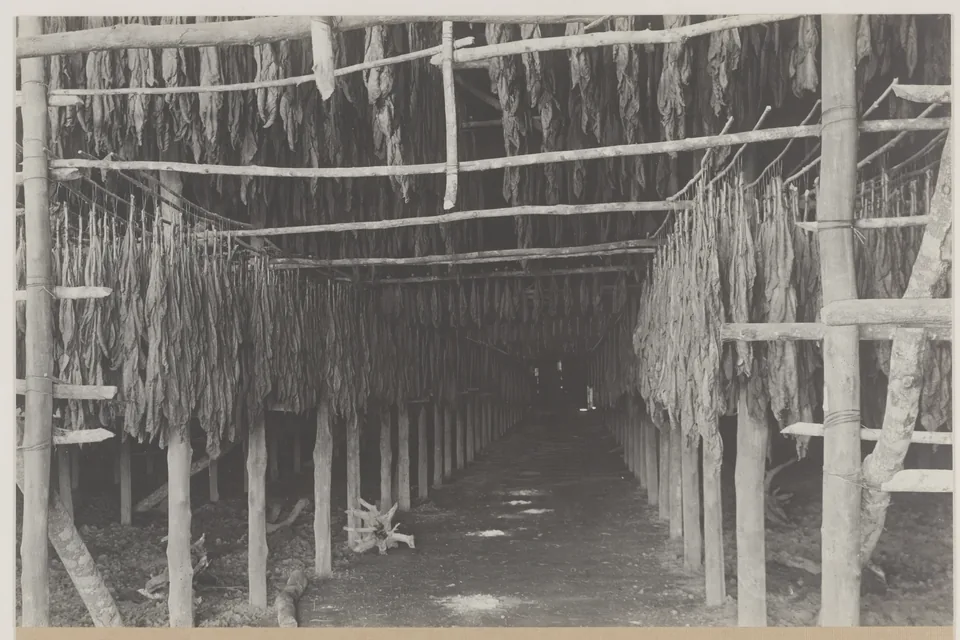
Java and Besuki
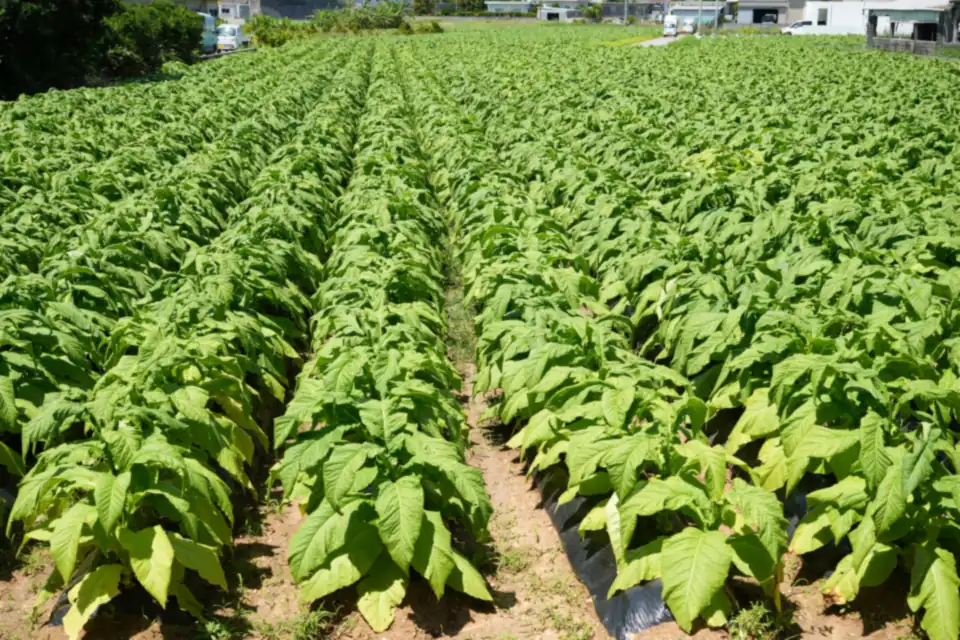
Indonesia still grows cigar tobacco today, especially in East Java. Around Jember, the Besuki area grows leaf both in the sun and under shade cloth. Much of it goes to European machine-made cigars and cigarillos, though some reaches premium blends as binder or filler.
Sumatra seed in Ecuador
Here is the twist. Most “Sumatra” wrapper on premium cigars today does not come from Sumatra at all. Instead, growers plant Sumatra-seed tobacco in Ecuador. So when a band says “Sumatra wrapper”, it usually describes the seed, not the island.
Ecuador: wrapper under the clouds
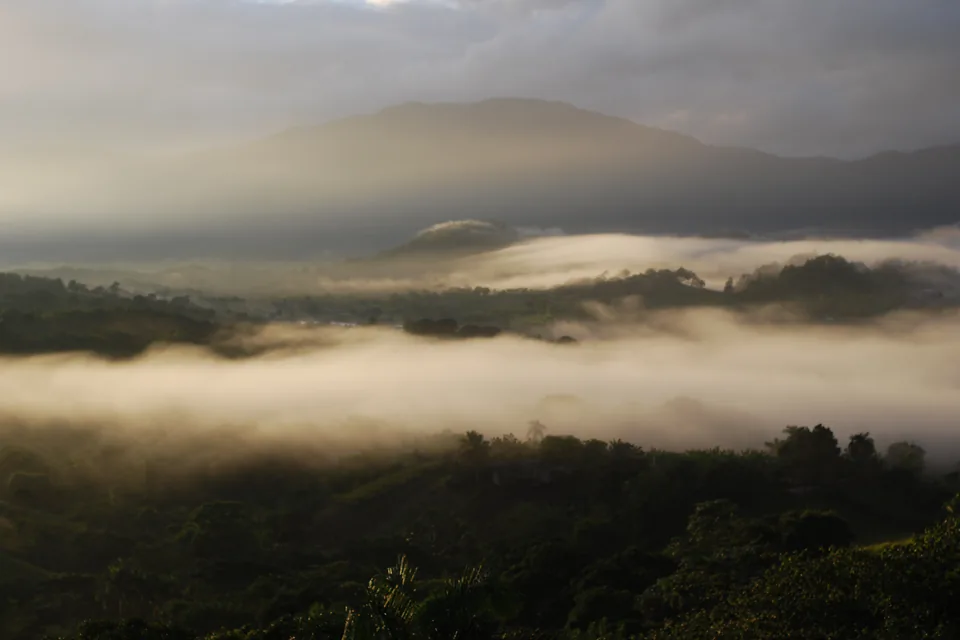
Ecuador is now one of the world’s key wrapper origins. Its coastal farms sit under a thick layer of cloud for much of the year. That cover filters the sun naturally, so growers get the effect of shade cloth without building tents.
The volcanic soil helps too. Ecuador grows Connecticut-seed wrapper, Sumatra-seed wrapper and Cuban-seed habano wrapper. Ecuadorian Connecticut, in particular, is a cheaper, very consistent alternative to the original from the US, as Cigar Aficionado notes.
Cameroon and the Central African Republic
Cameroon wrapper grows in West and Central Africa, from Sumatra-type seed. It is thin and fragile, with a “toothy” surface of tiny bumps. Smokers often describe a sweet, spicy, slightly woody taste.
Because the leaf is so delicate, it needs careful rolling. Supply is also small and can change a lot from year to year. The Arturo Fuente Hemingway line is one of the best-known cigars with a Cameroon wrapper; see our Hemingway Short Story review.
Mexico: San Andrés
Mexico’s fine tobacco comes from the San Andrés valley in Veracruz, near the town of San Andrés Tuxtla. Cuban and German immigrants started growing cigar leaf there in the 1830s. Today the valley is best known for San Andrés negro, a dark, sturdy leaf.
Blenders use San Andrés as a maduro wrapper and as a binder. It gives earth, cocoa and a dark sweetness. Mexico also rolls its own cigars, and Te-Amo, made near San Andrés, is the best-known brand.
Brazil: Bahia and Alagoas
Brazil’s cigar tobacco grows mainly in the north-east. In Bahia state, the Recôncavo area around the Bay of All Saints produces Mata Fina, a dark, naturally sweet leaf. Further north, the town of Arapiraca in Alagoas state gives its name to another dark, rich wrapper.
Both are popular for maduro wrappers. Brazil also has its own small premium cigar industry in Bahia.
The United States: Connecticut and Pennsylvania
Connecticut has grown cigar wrapper since the 19th century, in the Connecticut River Valley. There are two main types. Connecticut shade grows under huge cloth tents, giving a pale, silky, mild leaf. Connecticut broadleaf grows in full sun, and its thick leaves make dark, sweet maduro wrappers.
Pennsylvania, around Lancaster County, grows broadleaf too. Most of it goes into filler and binder, although a few modern cigars use it as a wrapper.
Smaller and historic origins
Several other countries add leaf to the world’s blends. Here are the main ones.
- Peru grows mostly filler, used by some Nicaraguan and Dominican brands for its earthy, mild character.
- Costa Rica grows a small amount of wrapper and filler, often under shade.
- Panama has a small industry growing filler and some wrapper.
- The Philippines grows cigar tobacco in the Cagayan Valley and Isabela, in northern Luzon. Founded in 1881, the Tabacalera company made Manila cigars famous across Asia.
- The Canary Islands have a long rolling tradition. After 1959, some Cuban cigar makers settled there.
Why the Southeast Asian angle matters for Malaysia
Malaysians sometimes think cigars are a wholly foreign habit. In fact, our region was once at the centre of the trade. Sumatran wrapper from across the Strait dressed cigars from Amsterdam to London, and Manila cigars were famous throughout Asia.
Malaysia had its own chapter too. In North Borneo, now Sabah, planters shipped their first tobacco to London and Amsterdam in 1884, and buyers judged it comparable to Sumatran wrapper. By 1891, tobacco made up about half of North Borneo’s exports, according to the Daily Express. After the 1890 US McKinley Tariff, however, the industry declined. Our guide to cigars in Southeast Asia tells the full story.
Today, you are unlikely to see a premium cigar with Malaysian leaf. Even so, when a band in a KL humidor says “Sumatra”, it is worth knowing that the name began next door.
Compare with the main origins
Wrapper origins only make sense next to the countries that roll the cigars. Read our overview of cigar producing countries, then the guides to Nicaraguan cigars and Dominican cigars, where most of these wrappers end up. And whatever the leaf, remember that no cigar is safe to smoke; see cigar health risks.
Frequently asked questions
What does a Sumatra wrapper taste like?
Sumatra wrapper is usually medium brown with a slightly mottled look. Smokers commonly describe cedar, light spice, earth and a gentle sweetness. It sits between a mild Connecticut shade and a bolder habano wrapper.
Is Sumatra wrapper grown in Sumatra?
Some still is, but most Sumatra wrapper on premium cigars today is Sumatra-seed tobacco grown in Ecuador. The name now describes the seed type more than the place.
What is a Cameroon wrapper?
A wrapper grown in Cameroon and the Central African Republic from Sumatra-type seed. It is thin, toothy and often a little bumpy, with a sweet, spicy, slightly woody flavour. The Arturo Fuente Hemingway series is a well-known example.
Are Mexican cigars any good?
Mexico’s San Andrés valley grows excellent dark wrapper and binder that many top Nicaraguan and Dominican brands use. Mexican-rolled cigars such as Te-Amo are less famous, but blenders rate the leaf highly.
Did Malaysia ever grow cigar tobacco?
Yes, in North Borneo, now Sabah. In the late 19th century, planters there grew wrapper tobacco that buyers in London and Amsterdam compared with Sumatran leaf. The industry faded in the 1890s.
Sources
- Wikipedia — Deli Company (founded 1869; nationalised 1958)
- Stories from Deli — Cultivating Sumatra tobacco
- Cigar Aficionado — Tobacco typology (Connecticut, Sumatra, Ecuador)
- Wikipedia — San Andrés Tuxtla (tobacco history, pointer to sources)
- John & Jackson — The Tobacco Industry of North Borneo, Journal of Southeast Asian Studies (1973)
- Daily Express (Sabah) — When tobacco was important for Sabah (2025)