The Partagas cigar, properly spelled Partagás, is the classic strong Habano. Its founder opened his Havana factory in 1845, and the house has stood for bold, earthy tobacco ever since. This profile covers the brand’s history, its factory, its best-known sizes and how it fits into the Malaysian picture.
Cuban Partagás and the US version
Like several old Havana names, Partagás exists twice. The original is Cuban and sold worldwide by Habanos S.A.
After the revolution, the Cifuentes family, who had owned the brand, left Cuba. In 1978 Ramón Cifuentes relaunched Partagás with General Cigar, and production soon moved to Santiago in the Dominican Republic. That cigar is sold mainly in the US and contains no Cuban leaf. This page covers the Cuban brand; when we mention the other, we say so.
History of the Partagas cigar
Don Jaime Partagás was a Catalan who arrived in Cuba and built a name as a skilled judge of leaf. In 1845 he founded his business in Havana. According to Wikipedia, he was also an early employer of lectores, readers who read aloud to the rollers during the working day.
Later, the Cifuentes family took control. Ramón Cifuentes Llano became a partner in 1899, and the family went on to add Ramón Allones, Bolívar and La Gloria Cubana to the firm. By 1958, Partagás was one of Cuba’s biggest exporters. Then, in September 1960, the new government nationalised the factory.
The factory behind the Capitolio
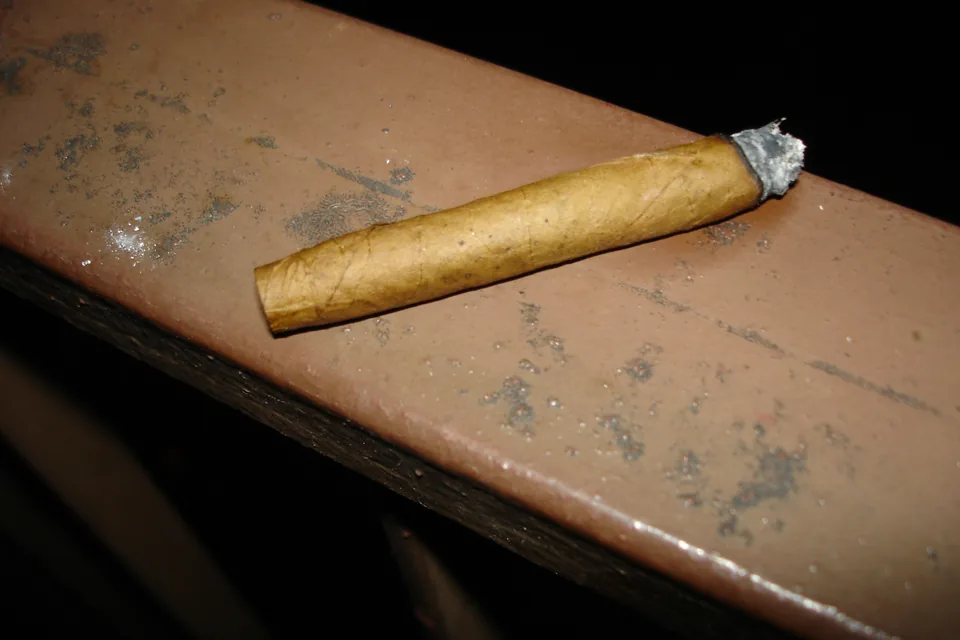
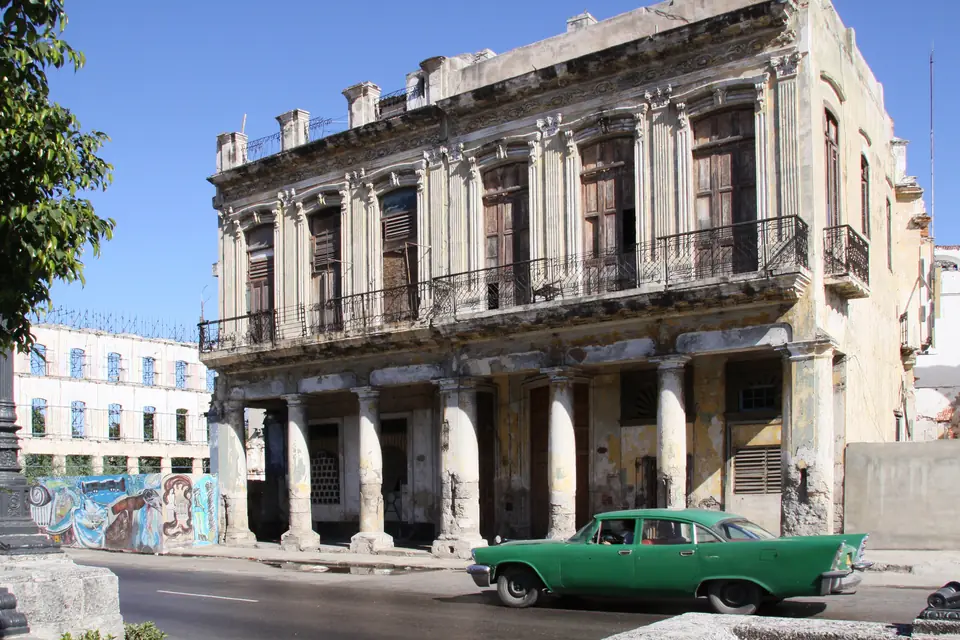
For most of its life, the brand’s home was the Real Fábrica de Tabacos Partagás on Calle Industria, just behind the Capitolio. Habanos gives the old address as 520 Industria Street. The building became one of Havana’s best-known factory tours.
However, production moved about 3 km away in January 2012. Habanos now lists the brand at 806 San Carlos Street. Like other Habanos, the leaf comes from the Vuelta Abajo in Pinar del Río.
Notable lines and sizes
The core of the range is the Serie D, a family of robustos. Habanos says the Serie D No. 4 was the subject of its first Reserva aged release. Later additions include the Serie P No. 2 in 2005, the Serie E No. 2 and Serie D No. 5 in 2011, and a Maduro line from 2015.
| Cigar | Length × ring gauge | Shape |
|---|---|---|
| Serie D No. 4 | 124 mm × 50 | Robusto |
| Serie E No. 2 | 140 mm × 54 | Robusto extra |
| Serie P No. 2 | 156 mm × 52 | Torpedo (pirámide) |
| Lusitanias | 194 mm × 49 | Double corona |
| 8-9-8 | 170 mm × 43 | Long corona |
| Mille Fleurs | 129 mm × 42 | Petit corona |
| Shorts | 110 mm × 42 | Short petit corona |
For a full assessment of the flagship, read our Partagás Serie D No. 4 review. The cigar sizes guide explains how these formats compare.
House style and flavour
Broadly, Partagás is earthy, spicy and dense. Habanos calls the flavour intense and rates the brand strong. Smokers commonly describe leather, earth, dark cocoa, coffee and black pepper, often with a rich sweetness as the cigar ages.
As a result, it is not usually a first cigar. Instead, it suits smokers who already enjoy full-bodied tobacco and want a classic Cuban punch.
Strengths and criticisms
Fans value its strong identity. A good Partagás tastes clearly of itself, and the brand ages well in a stable humidor. Its range is also broad, from small coronas to the long Lusitanias.
On the other hand, critics say quality can vary, especially in the most popular sizes. Some young boxes taste rough or bitter, and a few smokers report tight draws. Strength is also a risk for beginners, who may find it overwhelming.
Partagás in Malaysia
Outside the US, the Partagas cigar you will see is the Cuban one. In Malaysia, Habanos cigars are imported through The Pacific Cigar Company, the official Habanos distributor for the Asia-Pacific region. Genuine boxes carry the Habanos warranty seal; our guide to counterfeit cigars covers the checks.
In addition, Act 852 bans tobacco advertising and online sales, as our page on Act 852 and cigar law explains. Full-bodied cigars also need steady storage, since Malaysia’s damp air and dry air-conditioning both upset them; our guide on how to store cigars explains the basics. Strong cigars carry the same health risks as any other, so read our page on cigar health risks.
Where to read more
- Cuban cigars: the pillar guide to Habanos
- Bolívar: the other strong brand rolled in the Partagás tradition
- Cigar strength chart: where Partagás sits on the scale
- Cigar brands: the full directory
Frequently asked questions
Is Partagás a strong cigar?
Yes. Habanos rates it fuerte, or strong. Expect an earthy, peppery profile that suits smokers who already know what a full-bodied cigar feels like. Our cigar strength chart explains the scale.
Where is the Partagás factory?
The historic factory stands on Calle Industria, behind Havana’s Capitolio. Production moved out in 2012, and Habanos now gives the address as 806 San Carlos Street.
What is the most famous Partagás cigar?
The Serie D No. 4, a robusto of 124 mm by 50 ring gauge. Other well-known sizes include the Lusitanias, the Serie P No. 2 and the 8-9-8.
Is the US Partagás the same cigar?
No. General Cigar has made a non-Cuban Partagás since 1978, now in the Dominican Republic. It shares the name and some heritage but uses no Cuban tobacco.