Dominican cigars have a name for elegance. For much of the last 40 years, the Dominican Republic made more premium cigars than any other country. Today it is still the second-biggest exporter to the United States. Its style is smooth, creamy and balanced, though bold blends are common now too. This guide explains the regions, the tobacco, the history and the factories behind the name.
Where Dominican cigars come from
Nearly all the country’s cigar tobacco grows in the Cibao, a broad, green valley in the north. A river, the Yaque del Norte, runs through it, and the soil is rich and drains well. Santiago de los Caballeros, the country’s second city, sits at its heart.
The industry clusters around a few towns. Santiago itself is home to large factories, many of them in free-trade zones. Nearby, Navarrete and Villa González are farming towns known for tobacco fields and curing barns. Tamboril, just east of Santiago, also has a long cigar tradition.
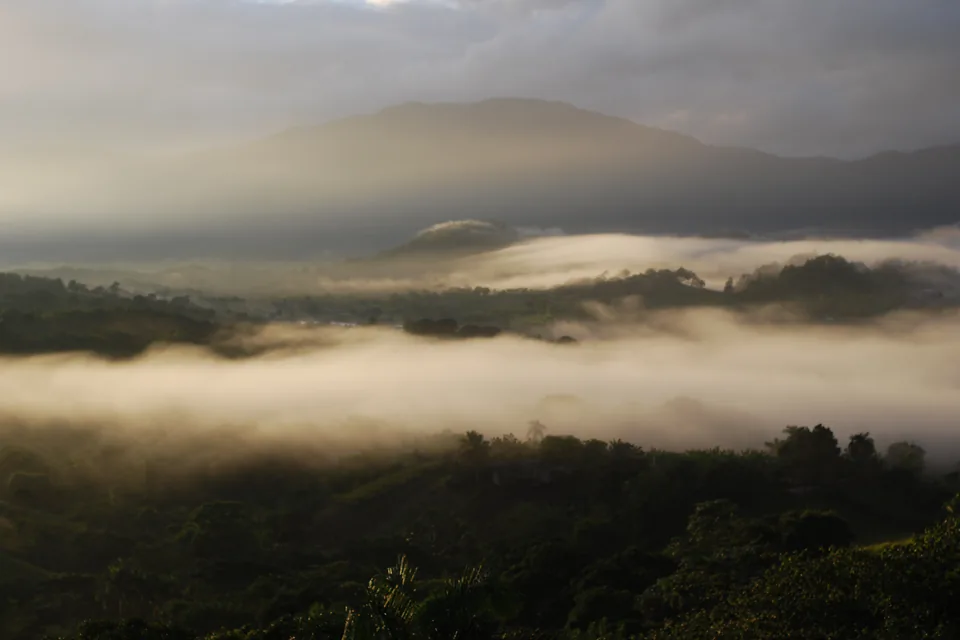
The valley grows filler and binder very well. For a long time, though, growers struggled with wrapper leaf. As a result, most Dominican cigars wear imported wrappers, from Ecuador, Connecticut, Cameroon, Brazil or Mexico.
The signature tobaccos
Two varieties define the Dominican style. Both are filler tobaccos, and blenders often use them together.
| Tobacco | Origin | Character | Main use |
|---|---|---|---|
| Piloto Cubano | Cuban seed brought over decades ago, now fully Dominican | Rich, spicy, stronger | Filler and binder; gives body |
| Olor Dominicano | Native Dominican variety; the name means “Dominican aroma” | Mild, fragrant, burns well | Filler; gives aroma and smooth burn |
| San Vicente and other hybrids | Newer Cuban-seed crosses | Varies | Filler |
According to Cigar Aficionado, Piloto Cubano first came from Cuba more than half a century ago. Since then it has become a staple of Dominican blends. Olor, by contrast, is local and gentle. Mixing the two gives Dominican cigars much of their typical balance.
How tobacco is grown in the Cibao
The farming year follows the weather. Seedlings grow in beds for about six weeks. Then, from around October, farmers plant them out in the fields. The harvest runs into the early months of the new year.
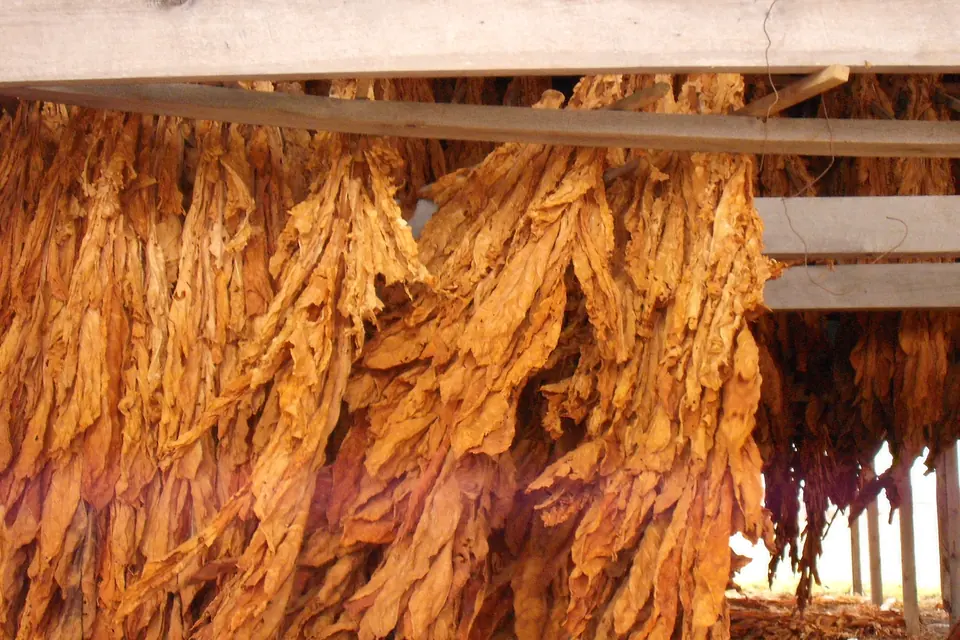
Workers pick the leaves by hand, a few at a time, from the bottom of the plant to the top. The low leaves are mild. The top leaves get the most sun, so they are the strongest. After picking, the leaves hang in tall wooden barns to cure for several weeks.
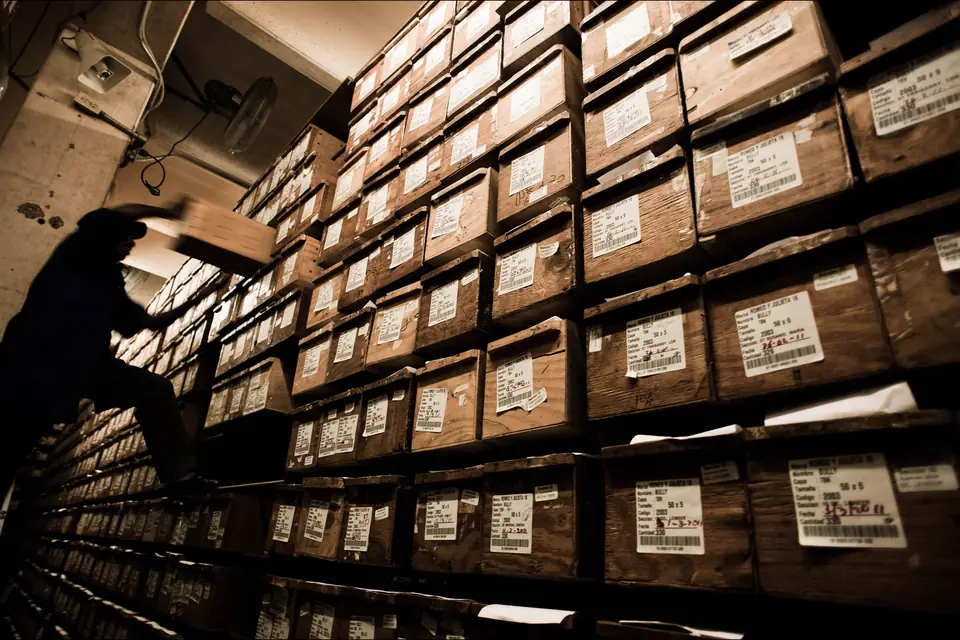
Next, the leaf goes to the factory for fermentation in large piles. This step takes out harsh, bitter notes. Finally, the best leaf rests in bales for a year or more before rolling. Big firms often keep stocks for many years, so they can blend the same cigar in good and bad seasons.
A short history of Dominican cigars
The Dominican Republic grew tobacco for centuries, mostly for cheap cigars and export leaf. The premium trade, however, took shape after 1959. When the Cuban Revolution nationalised the island’s cigar business, some Cuban growers and makers moved to the Dominican Republic. The US embargo on Cuba in 1962 then created a huge market for non-Cuban cigars.
The big companies arrive
In the 1970s and 1980s, major companies built factories in the Cibao and in La Romana, on the south coast. Arturo Fuente, a Tampa firm founded in 1912, opened its factory in Santiago in September 1980 after losing its Nicaraguan operation in the revolution there. In 1991, Davidoff released its first Dominican-made cigars, having ended its Cuban production after 1989.
The 1990s boom
Then came the American cigar boom of the mid-1990s. Demand soared, and the country was ready to meet it. New factories opened almost monthly, and the country became the world’s largest exporter of premium cigars. It held that position until 2016, when Nicaragua overtook it in the US import figures.
One milestone from the boom stands out. In 1995 Fuente released the Fuente Fuente OpusX, with a Dominican wrapper grown on its own farm, Chateau de la Fuente. Until then, many believed the country could not grow fine wrapper at all.
Who makes cigars in the Dominican Republic
Here are some of the main producers, set out as facts rather than recommendations.
| Producer | Background |
|---|---|
| Tabacalera A. Fuente | Arturo Fuente’s Santiago factory since 1980; also makes Ashton cigars |
| Davidoff (Oettinger Davidoff AG) | Swiss company; Dominican production since 1991, first with master blender Hendrik Kelner |
| La Flor Dominicana | Founded in 1994 by Litto Gomez; factory near Tamboril; known for strong blends |
| General Cigar | Makes Macanudo and other brands in the Dominican Republic; part of Scandinavian Tobacco Group |
| Altadis USA | Makes the non-Cuban Montecristo, Romeo y Julieta and H. Upmann, mainly at La Romana |
Our brand pages for Arturo Fuente, Davidoff, Ashton and Macanudo go into more detail.
Same name, different cigar
This point catches many smokers out. After the Cuban Revolution, several exiled families registered their old brand names outside Cuba. Today, companies such as Altadis USA and General Cigar sell Dominican cigars under names like Montecristo, Romeo y Julieta, H. Upmann and Partagás.
These are real, legal cigars, but they contain no Cuban tobacco. The Cuban versions, made by Habanos S.A., are completely separate products. In Malaysia, Habanos holds those trademarks, so the Montecristo you see locally is almost always Cuban. Our guide to Cuban cigars explains the split in more detail.
What Dominican cigars taste like
The classic style here is subtle rather than loud. Smokers often talk of cream, cedar, nuts, light coffee and a soft sweetness, with a clean finish. Construction is usually excellent, with an even burn and a firm grey ash.
Traditionally, many Dominican cigars paired local filler with a pale Connecticut shade wrapper, which made them mild. That said, the style has broadened a lot. Darker wrappers, more ligero and some Nicaraguan leaf have produced plenty of medium-full and full-bodied Dominican cigars.
For two well-known examples, see our reviews of the Davidoff Signature 2000 and the Arturo Fuente Hemingway Short Story.
Dominican cigars in Malaysia
In Malaysia, Dominican cigars reach the market through brand distributors and independent importers. Davidoff, for instance, has held trade events in Kuala Lumpur. Even so, the range is smaller than in the US or Europe, where Dominican brands fill whole walls.
The smooth Dominican style also suits the climate. A mild, creamy cigar can feel more pleasant than a heavy one on a warm evening, perhaps with teh tarik or a light whisky. Remember, though, that a mild cigar is not a safe one. Our page on cigar health risks explains why.
Compare with other origins
To see where the Dominican style fits, set it beside its neighbours. Our guides to Nicaraguan cigars and Honduran cigars cover the bolder Central American styles. And since so many Dominican cigars use imported leaf, our guide to cigar wrappers explains what each wrapper adds.
Frequently asked questions
Are Dominican cigars good?
Many of the world’s most respected cigars are Dominican, including Arturo Fuente, Davidoff and La Flor Dominicana. The country has a name for careful rolling and smooth, balanced blends. Like any origin, quality ranges from basic bundles to rare limited releases.
What is the difference between a Dominican and a Cuban Montecristo?
They are different cigars from different companies. Cuban factories roll the Cuban Montecristo from Cuban leaf, and Habanos S.A. sells it. Altadis USA makes the Dominican one, mainly for the US market, from non-Cuban leaf. They share a name and a history, nothing more.
Are Dominican cigars mild?
Many are mild to medium, especially those with Connecticut shade wrappers, which built the country’s reputation in the 1990s. However, plenty are full-bodied today. La Flor Dominicana and Fuente’s OpusX, for example, have a name for strength.
What is Olor Dominicano?
Olor Dominicano is a native Dominican tobacco. Its name means ‘Dominican aroma’. It burns well and gives a mild, fragrant smoke, so blenders often use it as filler alongside stronger Piloto Cubano.