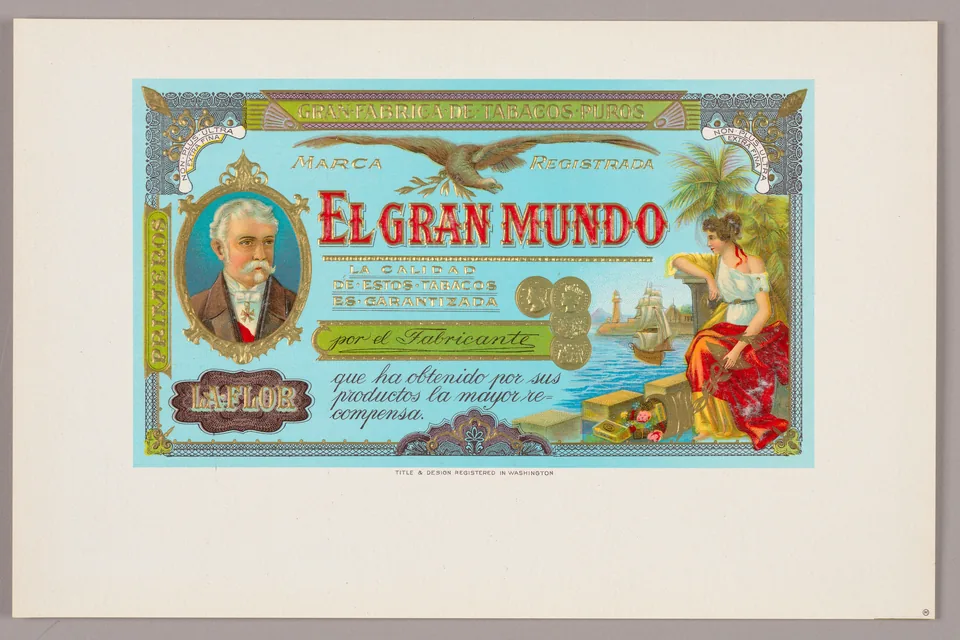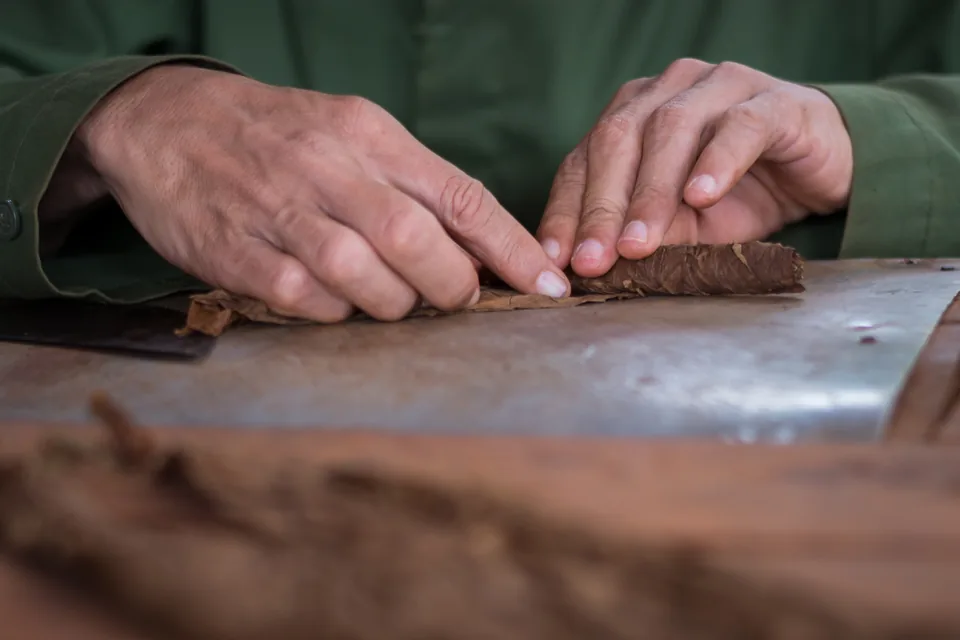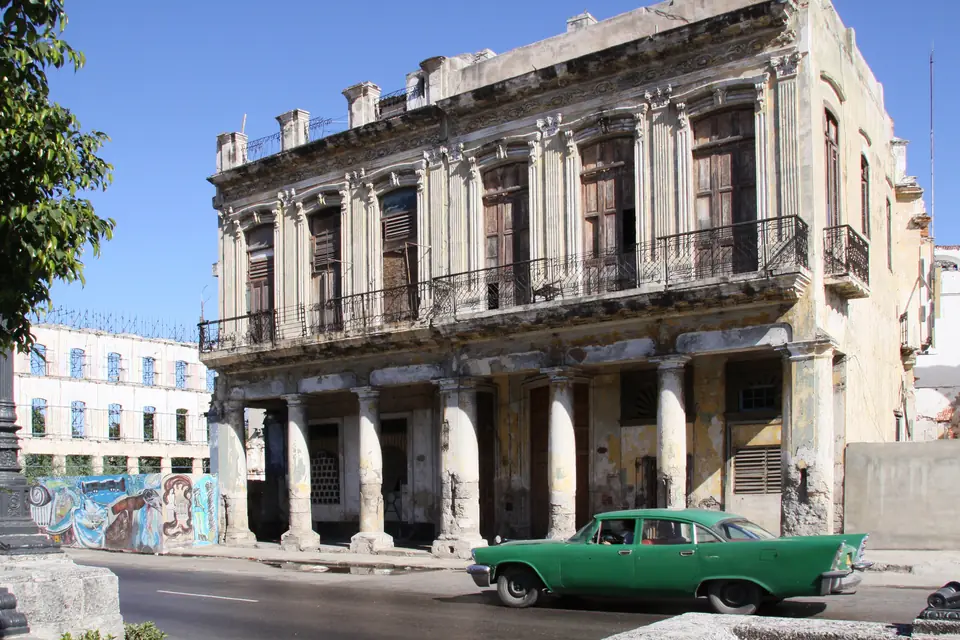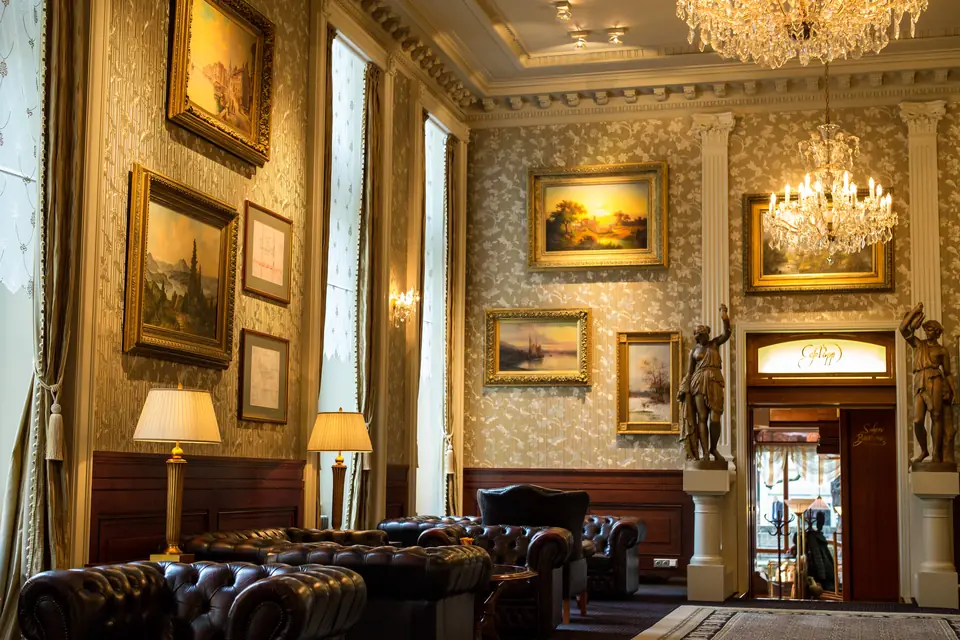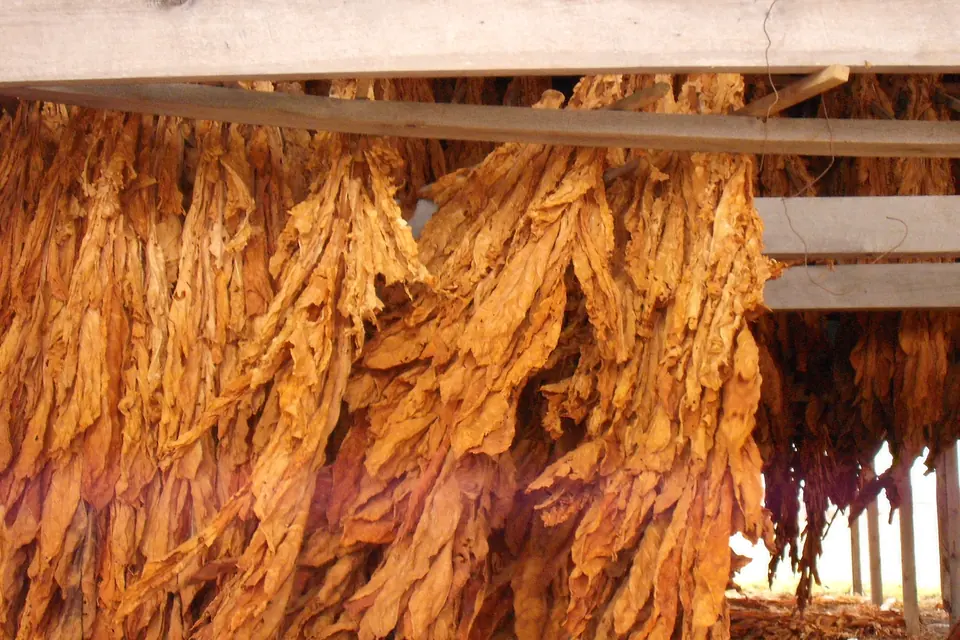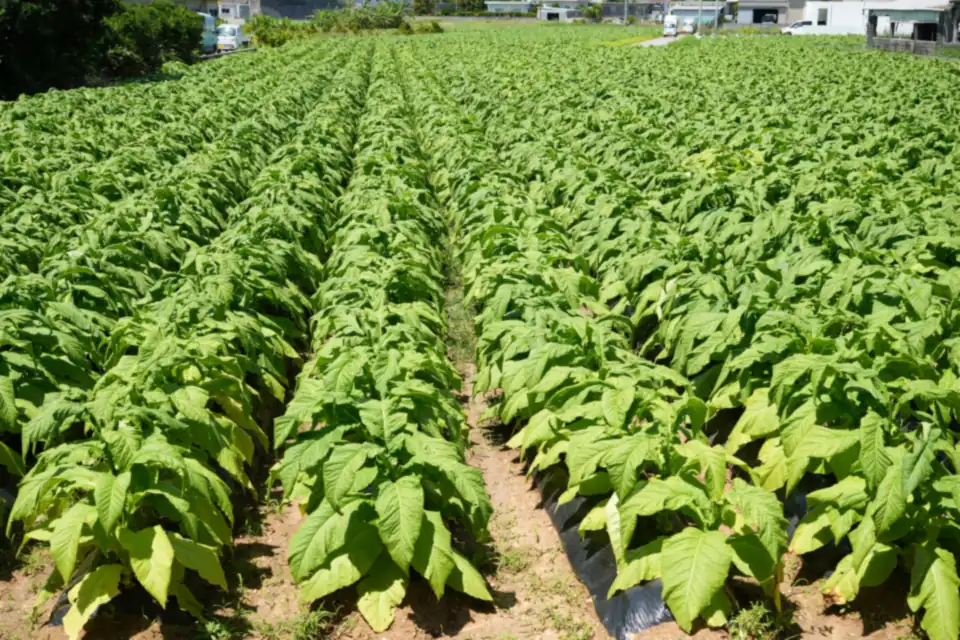
The story of cigars in Southeast Asia is older and richer than most smokers realise. Manila was rolling cigars for export in the 18th century. Sumatra later grew some of the finest wrapper leaf in the world. Even Sabah had a tobacco boom. This article traces that history, from Spanish monopolies to the Cuban cigars sold in Kuala Lumpur today.
The Philippines: a Spanish cigar colony
Tobacco reached the Philippines through Spain’s trade with the Americas. By the 18th century, it also grew widely in northern Luzon. Then, in 1782, the colonial government made it a state business.
On 1 March 1782, Governor-General José Basco y Vargas created a tobacco monopoly. Farmers in the Cagayan Valley, the Ilocos region and a few other districts had to grow set quotas. They then sold the whole crop to the state at fixed prices. According to the Philippine National Tobacco Administration, the leaf went to government factories in Manila, where workers made cigars and cigarettes.
At first, the monopoly earned large sums for Spain. However, it was deeply unpopular with farmers. It finally ended in 1882, following a royal decree of 1881, as this overview notes.
Tabacalera and Manila cigars
After that, private capital stepped in at once. On 26 November 1881, Antonio López, the first Marquess of Comillas, founded the Compañía General de Tabacos de Filipinas in Barcelona. In short, people called it Tabacalera. Its aim was to take over the state’s tobacco factories. It also set out to build trade between the islands and Spain.
Tabacalera grew into one of the largest companies of its era. By 1898 it employed around 104,000 people, according to its history. Manila cigars travelled across Asia, Europe and the Pacific. In the 20th century the company shrank and focused on leaf trading, and it now continues as a Philippine subsidiary of an international group.
Sumatra and the Deli wrapper
Across the Strait of Malacca, Dutch planters built a different kind of tobacco industry. In 1863, Jacobus Nienhuys obtained a land concession from the Sultan of Deli, near today’s Medan. Soon, his trial crop impressed buyers in Amsterdam.
The leaf was also unusual. It was thin, elastic and even in colour, with small veins. That made it ideal as cigar wrapper. This is the outer leaf. It gives a cigar its look and much of its taste. Because the leaf was so fine, a little went a long way.
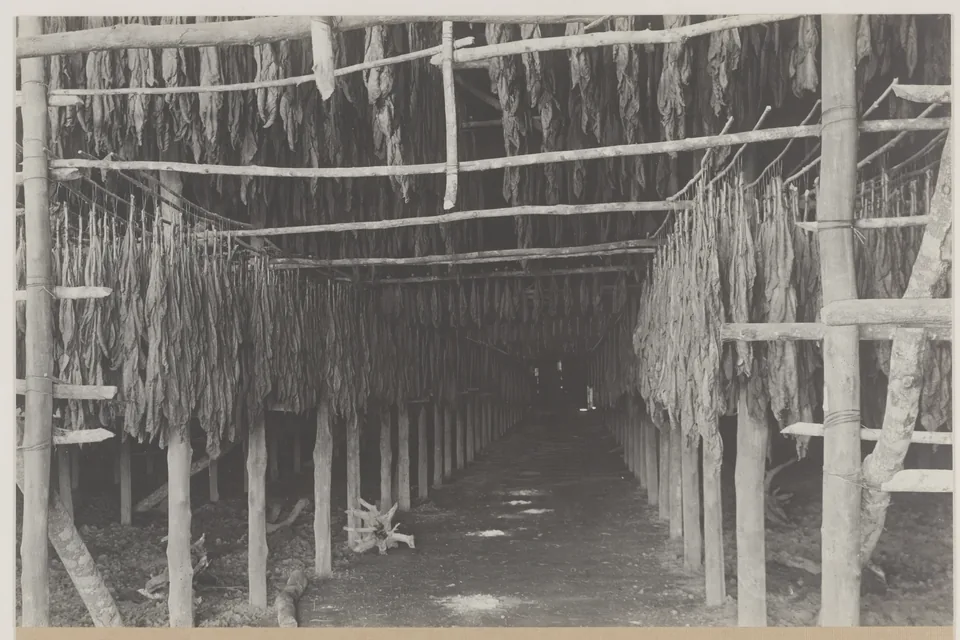
In 1869, Nienhuys and his partners founded the Deli Company, or Deli Maatschappij. It ran huge estates and soon became one of the richest firms on the Amsterdam exchange. Deli wrapper dressed cigars made in the Netherlands, Germany and the United States.
The human cost
Yet the wealth came at a terrible price. The estates relied on indentured Chinese and Javanese labourers, known in the language of the time as coolies. Workers who broke their contracts could be jailed or fined. As a result, conditions were often brutal, and Nienhuys himself faced charges over worker deaths. Any honest account of cigars in Southeast Asia has to name them.
The Deli boom faded as cigar smoking declined in the 1920s and the Great Depression struck. After independence, Indonesia took over the tobacco estates in 1958. Even so, the name lives on. Sumatra-seed tobacco is now grown in other countries, notably Ecuador. Our guide to cigar wrappers explains how it is used today.
North Borneo’s tobacco boom
Few Malaysians know that Sabah once grew cigar wrapper for Europe. In the 1880s, the British North Borneo Chartered Company, which ruled the territory, encouraged planters to try tobacco. Many of them came with experience from Deli.
The first North Borneo tobacco went to London and Amsterdam in 1884. Buyers judged it comparable to Sumatran leaf, according to the Daily Express. Next, estates spread around Marudu Bay and along the east coast, largely under Dutch and German management. By 1890 tobacco made up about 30 per cent of the territory’s exports, and by 1891 about half.
Still, the boom did not last. Production peaked around 1890, then fell after the 1890 McKinley Tariff raised US duties on imported leaf. The planter-historian H.S. Barlow describes the decline that followed. Smaller ventures continued, and Imperial Tobacco held land in the Segama area from 1934 until 1960. A detailed academic account appears in the Journal of Southeast Asian Studies.
Malaysia's place in the story
Sabah’s tobacco era is a rare case of cigar leaf grown on Malaysian soil for world markets. For Sabah and Sarawak today, see our guide to cigars in Kota Kinabalu and Kuching.
Burma and the cheroot
Burma, now Myanmar, developed its own smoking tradition. The Burmese cheroot is quite unlike a Cuban cigar. Its filler often mixes chopped tobacco with bits of wood or plant. The wrapper is usually a leaf from a local tree rather than tobacco.
Later, British soldiers and officials took to cheroots in large numbers. The habit even reached English poetry: Rudyard Kipling’s “Mandalay”, published in 1890, mentions “a whackin’ white cheroot”. Victorian visitors also noted, with surprise, that Burmese women smoked cheroots as freely as men.
Cerut: a word with a long journey
Even the words people use tell a story. In English, “cheroot” probably came via the Portuguese charuto from the Tamil curuttu, meaning a roll, as this etymology explains. The word entered English in the 17th century through trade in South India.
Malay has a close cousin. Kamus Dewan defines cerut as a smoke made of rolled dried tobacco leaf, and gives cerutu and serutu as synonyms. The verb mencerut means to smoke a cigar. These words also trace back to Tamil, a reminder of the trade links that tied the Malay world to South India long before modern cigars arrived.
Modern cigar markets in Asia
After the Second World War, cigar smoking in Asia shifted from colonial habit to luxury pursuit. Hong Kong led the way. In June 1992, the late Sir David Tang founded the Pacific Cigar Company there. It soon became the sole Habanos distributor for the Asia-Pacific region, as Cigar Aficionado recorded.
Malaysia and Singapore
Malaysia then followed. A Habanos-franchise cigar house opened in Kuala Lumpur in 1998. In 2021, Habanos released Malaysia’s first regional edition, the San Cristóbal de La Habana Harimau Malaya, in 8,888 boxes of 10, as halfwheel reported. Malaysia has also hosted qualifiers for the Cigar Smoking World Championship since 2019.
Singapore is a smaller but busy market, with strict tobacco rules and no duty-free allowance for tobacco. Across the region, both Cuban and New World cigars are now widely known. Our look at cigar culture in Malaysia covers the local scene in more depth.
The story of cigars in Southeast Asia today
In short, the story runs from colonial monopolies and estates to lounges in modern cities. It includes great wealth, real suffering and a lasting vocabulary. For the wider picture, read our history of cigars and our cuban cigar history. Or start with the cigar history timeline.
Frequently asked questions
Are Philippine cigars any good?
The Philippines has a long cigar tradition, especially around Manila and the tobacco provinces of northern Luzon. Philippine cigars are generally milder than Cuban or Nicaraguan ones. As with any origin, quality varies by maker.
What is Sumatra wrapper?
It is a thin, fine wrapper leaf first made famous by Dutch planters in Sumatra’s Deli district from the 1860s. Today, Sumatra-seed tobacco is also grown elsewhere, notably in Ecuador, and the name often refers to the seed rather than the island.
What does cerut mean in Malay?
Cerut means cigar. Kamus Dewan defines it as a kind of smoke made from rolled dried tobacco leaf, with cerutu and serutu as synonyms. The word comes from Tamil, as does the English word cheroot.
Did Malaysia ever grow cigar tobacco?
Yes, in North Borneo, now Sabah. From the 1880s, estates there grew wrapper leaf for European markets. The boom peaked around 1890 and declined after the 1890 McKinley Tariff in the United States.
Who distributes Cuban cigars in Asia?
The Pacific Cigar Company, founded in Hong Kong in 1992 by the late Sir David Tang, holds the Habanos distribution rights for the Asia-Pacific region, including Malaysia.
Sources
- Wikipedia — Smoking in the Philippines (tobacco monopoly, 1782–1882)
- National Tobacco Administration (Philippines) — History of tobacco
- Wikipedia — Compañía General de Tabacos de Filipinas
- Wikipedia — Deli Company
- D.W. John & J.C. Jackson — The Tobacco Industry of North Borneo, Journal of Southeast Asian Studies (1973)
- Daily Express (Sabah) — When tobacco was important for Sabah
- H.S. Barlow — The Malaysian plantation industry: a brief history
- Wikipedia — Cheroot
- Dewan Bahasa dan Pustaka (PRPM) — cerut
- Cigar Aficionado — Pacific Cigar Co. founder David Tang dies at 63
- halfwheel — Harimau Malaya is first Edición Regional for Malaysia