Hand rolled cigars and machine-made cigars can look alike in a photo, but they are very different products. Skilled hands shape one leaf by leaf over several minutes. The other comes off a production line in seconds. The difference shows up in the draw, the burn, the flavour and, of course, the price.
This guide explains how makers produce each kind, where the line between them blurs, and how to tell them apart. It also explains the phrase “Totalmente a mano” on Cuban boxes. For background on the layers inside a cigar, read our guide to the parts of a cigar first.
Making hand rolled cigars, step by step
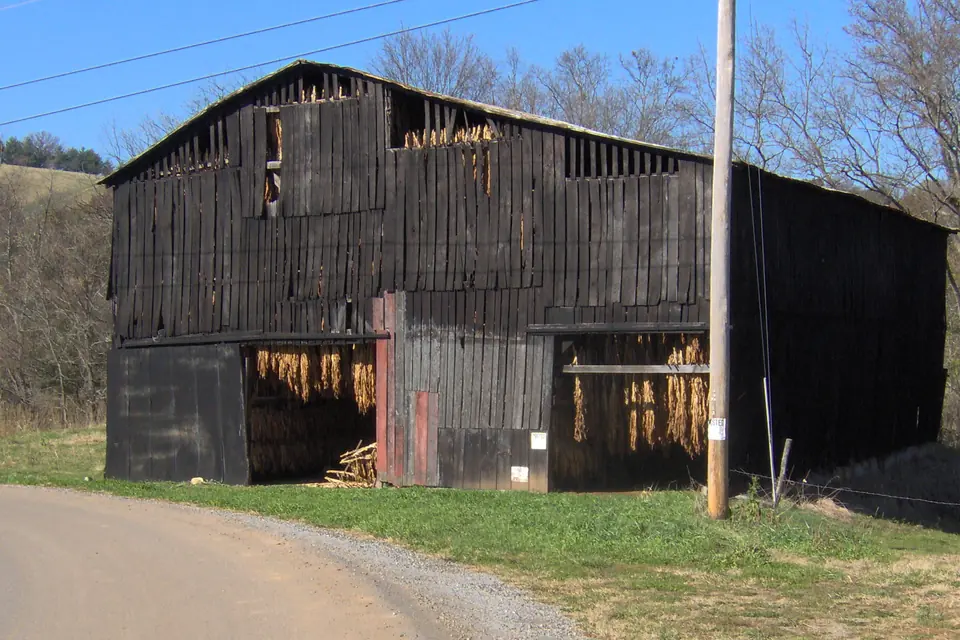
Making a premium cigar starts long before rolling. Growers harvest the leaves, cure them in barns, ferment them in large piles and age them, often for years. Only then does the leaf reach the rolling room. There, it passes through several pairs of skilled hands.
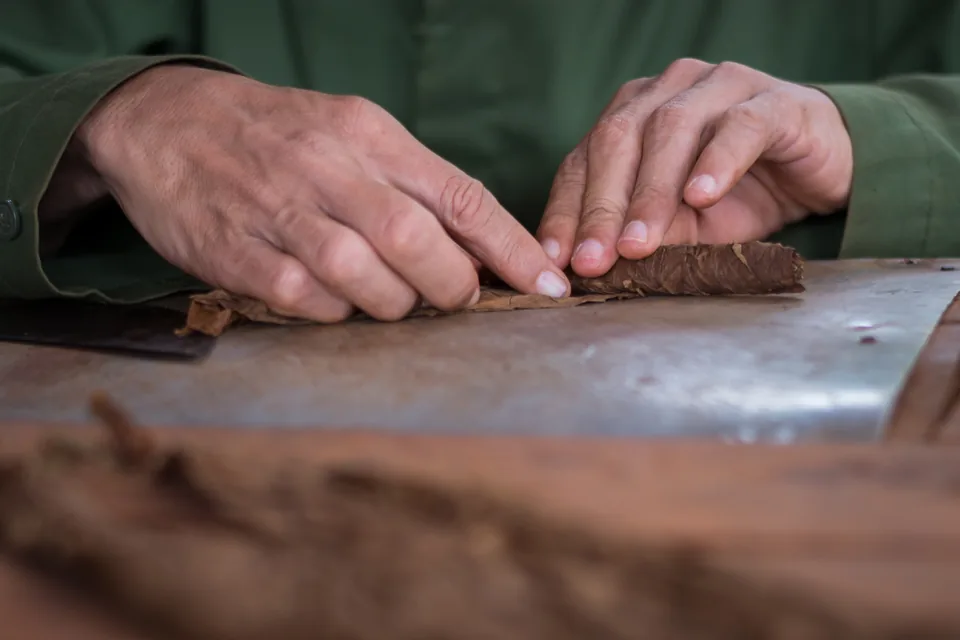
Bunching
First comes bunching. A worker gathers the filler leaves to a set recipe, which is the blend. Then they roll the filler inside a binder leaf. Some rollers fold each filler leaf into a small tube, a method called entubado. Others fold the leaves like a book or an accordion.
In many Dominican, Nicaraguan and Honduran factories, a buncher, or bunchero, does this step. A roller then finishes the cigar. The two often work as a team. In Cuba, a single torcedor traditionally makes the whole cigar from start to finish.
Moulds and presses
Next, the bunches go into wooden or plastic moulds. Each mould holds a row of bunches in the right shape and size. The moulds then sit in a press, and workers turn them now and then so the bunch sets evenly. This takes from about half an hour to a few hours.
Wrapping and capping
Finally, the roller takes the pressed bunch and lays it on a wrapper leaf. Using a flat, curved blade called a chaveta, they trim the leaf and stretch it around the bunch in a spiral. They then cut a small round of wrapper to form the cap and fix it with a tiny dab of natural vegetable gum.
Factories then check the cigars for size, weight, colour and draw. Many test a sample on a draw machine. Rejects go back for reworking or end up discarded. Good cigars rest for weeks in an ageing room before boxing.
The Lieberman machine: where the line blurs
Not every cigar sold as handmade has a hand-made bunch. Many factories outside Cuba use a hand-cranked bunching device known as the Lieberman machine. A worker feeds the filler and binder into it and pulls a lever. A rubber mat then rolls the binder around the filler and compresses the bunch.
Workers still apply the wrapper and cap by hand, which is why the industry still calls these cigars handmade. According to Cigar Inspector, the Lieberman is widely used in Nicaragua, Honduras and the Dominican Republic but not in Cuba. Some makers say it helps with consistency when skilled bunchers are hard to find. Many smokers notice no drawback, while purists prefer fully hand-bunched cigars.
Making machine-made cigars
Fully machine-made cigars come from automated equipment. The machine feeds in filler, forms it into a rod, wraps a binder around it, then adds a wrapper and cuts each cigar to length. It all happens far faster than any person could work.
Most machine-made cigars use short filler. That means cut-up leaf, often trimmings from premium production or lower-grade leaf. Many also use a binder made of homogenised tobacco. That is a sheet made from ground tobacco, water and natural binding agents, rolled out like paper. Some brands use this sheet as the wrapper as well. Others use a natural leaf wrapper over a homogenised binder.
Many cigarillos and little cigars come from this process. Some also have flavourings, sweeteners or a plastic or wooden tip. That makes them closer to a cigarette in style than to a premium cigar.
Quality, burn and flavour differences
The two kinds of cigar behave very differently once lit. Here are the main contrasts.
| Feature | Hand rolled cigars | Machine-made cigars |
|---|---|---|
| Filler | Long filler, whole leaves | Usually short filler, chopped |
| Binder | Natural tobacco leaf | Often homogenised tobacco sheet |
| Cap | Separate, hand-cut cap | Machine-sealed head, often pre-cut or tipped |
| Burn | Slow, cooler and more even | Faster and hotter |
| Flavour | Can change through the smoke | Usually the same start to finish |
| Ash | Firm, often holds for an inch or more | Flaky, drops quickly |
| Storage | Needs stable humidity | Dry types are made to be kept dry |
| Additives | Normally none, apart from vegetable gum | Some contain flavourings or sweeteners |
Long filler gives a hand-made cigar its slow, even burn. The leaves create natural air channels, and the smoke stays cool. Short filler packs more tightly and burns faster, which can make the smoke hot and sharp. In addition, a premium blend uses different leaf types, so the flavour often shifts from the first third to the last.
How to tell hand rolled cigars apart
You can often spot the difference without lighting up. Check these clues:
- Look at the head. Hand rolled cigars have a separate cap, often with a visible cap line. Machine-made cigars often have a seamless, sealed or tipped head.
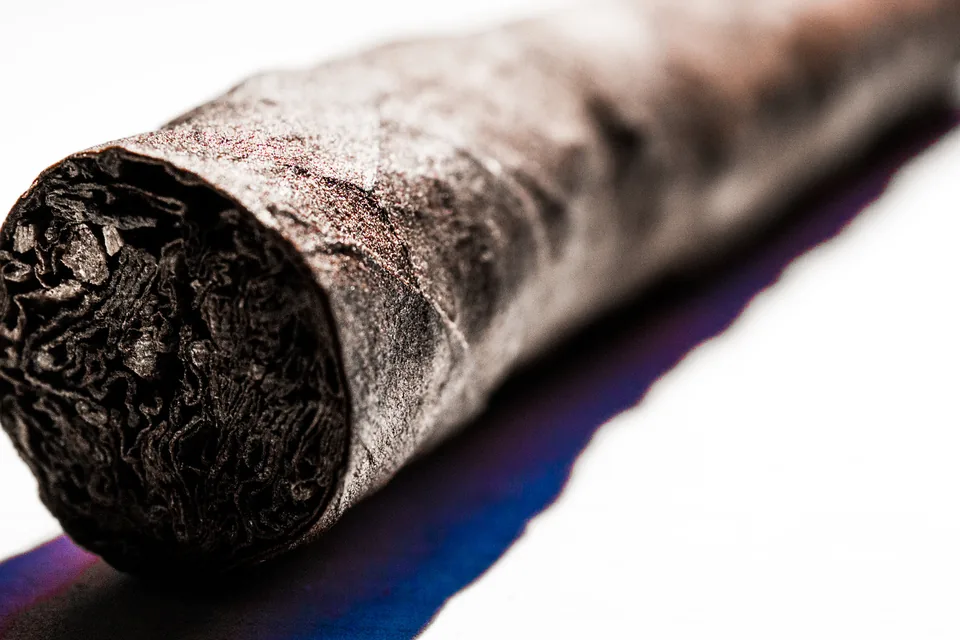
- Look at the foot. Whole leaves, folded and layered, suggest long filler. Uniform, chopped shreds suggest short filler.
- Check the wrapper. Natural leaf shows veins and slight colour changes. A perfectly uniform, paper-like surface may point to homogenised tobacco.
- Feel the cigar. A hand-rolled cigar has a slight give and small variations. Machine-made cigars are often very hard and identical.
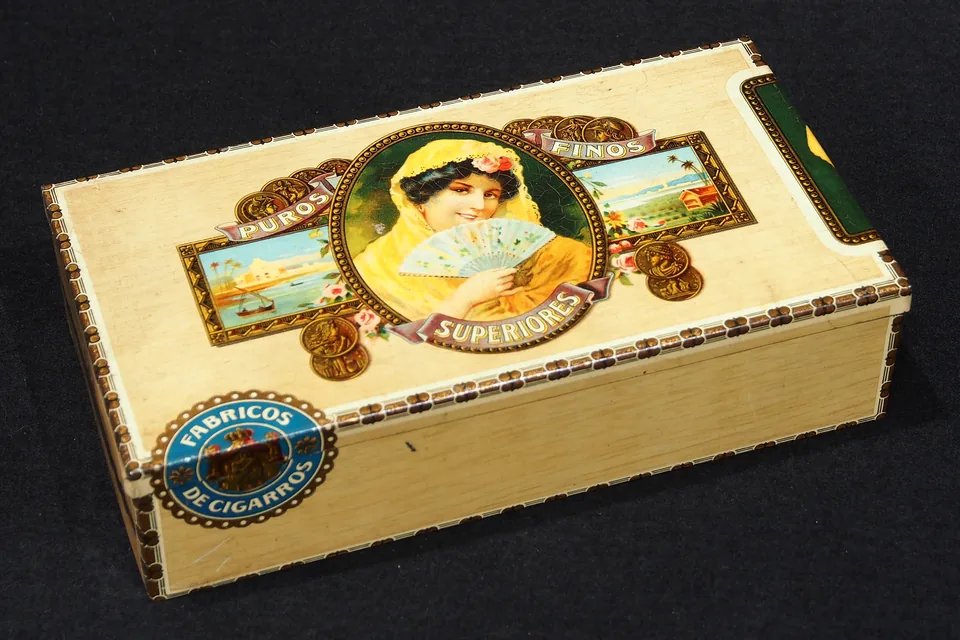
- Read the box. Cuban boxes carry the words “Hecho en Cuba” and “Totalmente a mano”. Other brands usually say “handmade” or “hand rolled”.
What “Totalmente a mano” means
On Cuban cigar boxes, you will see “Hecho en Cuba” (made in Cuba) and “Totalmente a mano” (totally by hand). The phrase means that people bunched, rolled and finished the cigars inside entirely by hand. Habanos S.A., which markets Cuban cigars worldwide, presents this as a hallmark of every Habano.
Other phrases have appeared on boxes over the years. “Hecho a mano” (made by hand) and “Envuelto a mano” (wrapped by hand) can describe cigars with less hand work, such as machine bunching with a hand-applied wrapper. That distinction matters for collectors. Also, fake Cuban cigars often copy these phrases. Our guide to fake Cuban cigars explains what to check beyond the box.
Why the price differs
Hand rolled cigars cost more for several reasons. First, they use higher grades of whole leaf, and only a small share of each harvest makes wrapper quality. Second, the leaf ages for months or years, which ties up stock and storage. Third, skilled rollers take years to train, and each cigar takes many minutes of work.
Machine-made cigars, by contrast, use lower-cost leaf and very little labour per cigar. In Malaysia, excise duty and taxes also add a large part of the final price for every tobacco product. Our guide to cigar prices in Malaysia explains how those costs build up.
Which kind suits you?
It depends on what you want. A hand-rolled cigar is a slow, sit-down experience that takes 45 minutes or more. A machine-made cigarillo is short and simple, but it rarely offers the same depth. If you want to explore flavour, start with hand-made cigars. Our guide to types of cigars can help you choose a style.
Whichever kind you smoke, the smoke carries the same core risks. Both contain nicotine and cancer-causing chemicals. Read our guide to cigar health risks for the facts.
Where to go next
If you want to know how this craft developed, our history of cigars traces it from the Maya to modern factories. For a closer look at the small, machine-made end of the market, see our guide to cigarillos. And to learn more about the leaf itself, read our guide to cigar wrappers.
Frequently asked questions
How can you tell if a cigar is hand rolled?
Look at the head and the foot. A hand-rolled cigar usually has a separately applied cap, a natural leaf wrapper with visible veins and long filler leaves at the foot. Machine-made cigars often have a uniform, seamless look, chopped filler and sometimes a plastic or wooden tip.
Are all premium cigars fully hand made?
Not always. Many factories outside Cuba bunch premium cigars with a hand-cranked Lieberman device, then wrap and cap them by hand. They are still widely sold as handmade. Cuban cigars marked ‘Totalmente a mano’ should be entirely handmade.
Why are hand rolled cigars more expensive?
They use higher-grade whole leaf with longer ageing, and each one takes many minutes of skilled labour. Rollers train for years, and factories reject cigars that fail quality checks. Taxes also play a big part in the final price in Malaysia.
Can you roll your own cigar at home?
In principle, yes, but it is hard to do well. You need properly cured and fermented leaf, a sharp blade called a chaveta, vegetable gum and a lot of practice. Most beginners find their cigars draw unevenly at first.
Do machine-made cigars need a humidor?
Makers design many dry, machine-made cigars and cigarillos to stay in their packaging without humidification. Premium hand-rolled cigars do need stable humidity, especially in Malaysia’s climate.