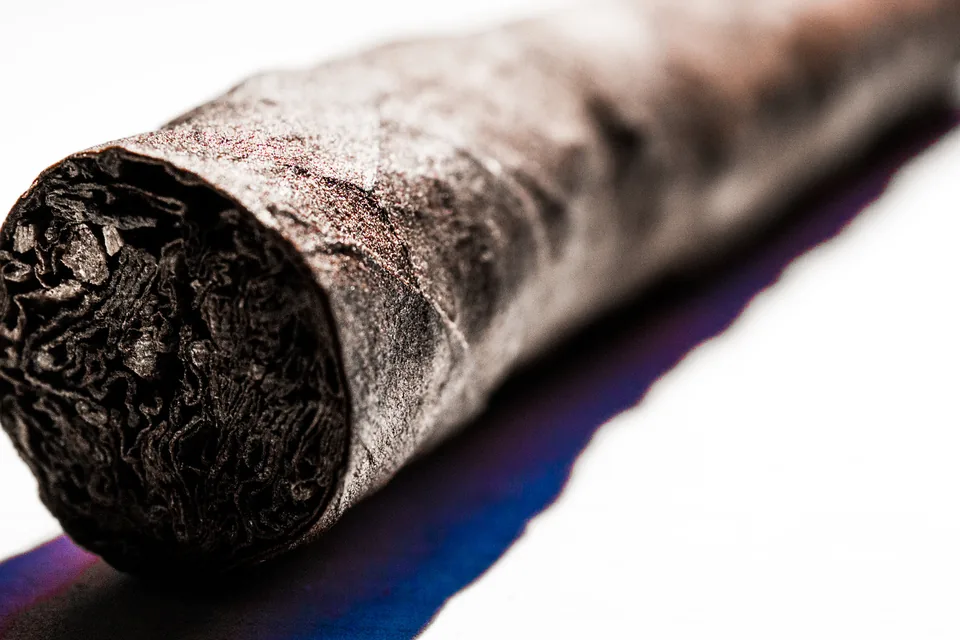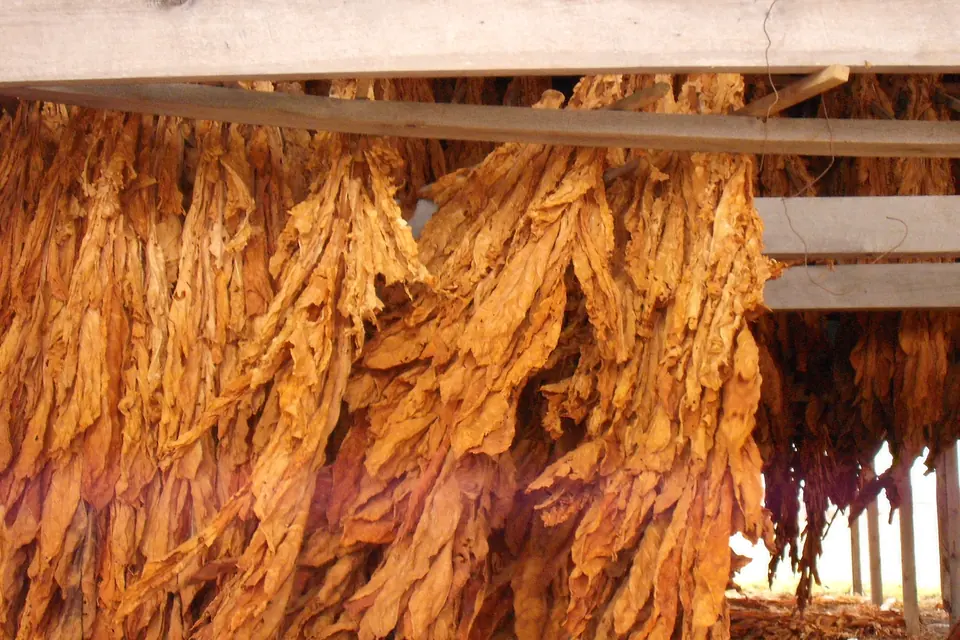
Nicaraguan cigars went from a niche to the heart of the cigar world in about 30 years. Today Nicaragua exports more premium cigars to the United States than any other country. Its tobacco, grown in volcanic soil in the northern highlands, gives cigars that smokers know for pepper, spice and depth. This guide covers the regions, the history, the main factories and what to expect when you light one.
Why Nicaraguan cigars lead the market
The numbers tell a clear story. For years, the Dominican Republic was the biggest exporter of premium cigars to the US. In 2016, however, Nicaragua overtook it, shipping 134.4 million cigars against 115.6 million, as Cigar Aficionado reported.
Since then the lead has grown. In 2024, Nicaragua supplied just under 60% of the 430 million premium cigars the US imported, according to halfwheel. That is a huge share for a small country.
Several things explain the rise. Nicaragua has fine soil, a good climate, skilled rollers and low costs. Just as important, many of the best family growers chose to build there.
The growing regions
Most Nicaraguan tobacco grows in the north, in a band of valleys near the Honduran border. One region lies far to the south, on an island in a lake.
| Region | Where | Known for |
|---|---|---|
| Estelí | Northern highlands, about 840 m | The industry’s capital; strong, rich, peppery filler |
| Condega | North of Estelí | Balanced, aromatic leaf, a little gentler than Estelí |
| Jalapa | Far north, by the Honduran border | Cooler valley; fine, silky wrapper and sweeter filler |
| Ometepe | Volcanic island in Lake Nicaragua | Mineral-rich soil; distinctive, earthy, sweet leaf |
Estelí
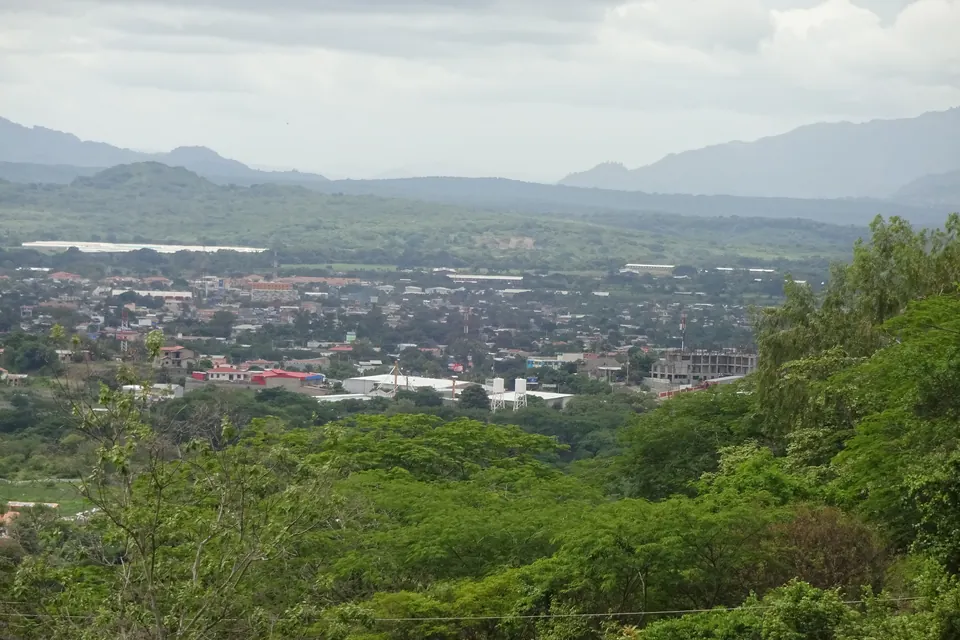
Estelí is both a growing area and a factory town. Most of the big cigar companies roll there, and many store and ferment leaf from the other regions too. The soil is dark and volcanic, and the town sits high enough for cool nights. Leaf from here tends to be bold and full-flavoured.
Condega and Jalapa
Condega lies a short drive north of Estelí. Growers often describe its tobacco as more balanced, so blenders use it to round out stronger leaf. Further north, Jalapa is cooler and greener. It is the region most associated with Nicaraguan wrapper leaf, which tends to be thinner and sweeter.
Ometepe
Ometepe is an island formed by two volcanoes in Lake Nicaragua. Only a few growers farm tobacco there, and the output is small. Because of that, cigars with Ometepe leaf are often special releases. The island’s ash-rich soil gives a sweet, earthy, slightly mineral note.
The tobacco Nicaragua grows
Most Nicaraguan leaf comes from Cuban-seed varieties. The best known is habano, a broad name for Cuban-seed tobacco grown outside Cuba. Growers also plant criollo and corojo types, including descendants of the Cuban hybrids Criollo 98 and Corojo 99. In addition, some farms grow Connecticut-seed and other wrapper varieties under shade.
Because the country grows every leaf type, many Nicaraguan cigars are puros. A puro uses filler, binder and wrapper from a single country. Padrón, for instance, uses only Nicaraguan tobacco. Other factories mix in wrappers from Ecuador, Connecticut, Mexico or Brazil to change the colour and sweetness.
Mixing leaf from each region is the real art here. A typical blender might use Estelí for strength, Condega for balance and Jalapa for aroma. As a result, two cigars from the same town can taste very different.
A short history of the Nicaraguan cigar industry
Nicaragua grew tobacco long before it became famous for cigars. The modern industry, though, began after the Cuban Revolution of 1959. Cuban growers and cigar makers who fled the island looked for land and climate like home. Many settled in Estelí, bringing Cuban seed and Cuban methods with them.
Revolution and war
Then came hard years. Estelí saw heavy fighting in 1978 and 1979, during the uprising that brought the Sandinistas to power. The fighting damaged or destroyed factories and tobacco barns. Arturo Fuente, for example, moved its production from Nicaragua to the Dominican Republic in 1980 after losing its factory, according to its company history.
During the 1980s, the Contra war and a US trade embargo, in force from 1985 to 1990, made exporting to America almost impossible. Some families moved production to Honduras for a time. As a result, Nicaraguan cigars nearly vanished from US shelves.
The boom and after
Peace came in 1990, and soon after came the American cigar boom of the mid-1990s. Demand surged, and families who had kept their farms rebuilt quickly. Others arrived for the first time. Since the 2000s, a new wave of Cuban-born blenders has made Estelí one of the most lively cigar towns in the world.
Who makes cigars in Nicaragua
Many of the best-known names in the cigar world now roll in or around Estelí. Here are some of the main producers, stated as plain facts rather than recommendations.
| Producer | Background |
|---|---|
| Padrón | Founded in Miami in 1964 by Cuban exile José Orlando Padrón; rolls in Estelí using Nicaraguan leaf only |
| Oliva | A tobacco family since 1886 in Pinar del Río, Cuba; opened its current Estelí factory in 2003; owned by Belgium’s J. Cortès since 2016 |
| My Father Cigars | Run by the Cuban-born García family, with a factory in Estelí |
| Drew Estate | Founded in New York in 1995; rolls at its large Estelí factory; owned by Swisher International since 2014 |
| Plasencia | A grower family of Cuban origin with farms across Nicaragua, including Ometepe |
| AJ Fernández | Founded by Cuban-born blender Abdel J. Fernández; factory in Estelí |
| Perdomo | Family company with a large factory and farms in Estelí, Condega and Jalapa |
| Joya de Nicaragua | One of the country’s oldest premium factories, founded in Estelí in 1968 |
Our brand pages cover several of these in depth, including Padrón, Oliva, My Father, Drew Estate, Plasencia and Perdomo.
What Nicaraguan cigars taste like
The classic Nicaraguan profile is bold. Smokers often talk of black pepper, spice, dark coffee, cocoa and leather, with a sweet, earthy base. Many cigars give a noticeable pepper “kick” through the nose on the retrohale.
Strength often comes from the ligero, the thick top leaves of the plant. Nicaraguan ligero is famously potent, so blenders who use a lot of it make full-strength cigars. That said, not every Nicaraguan cigar is a powerhouse. Plenty sit at medium, and some milder blends use Connecticut wrapper over Nicaraguan filler.
For a sense of range, compare our reviews of the Padrón 1964 Anniversary Exclusivo and the Oliva Serie V Melanio. Our cigar strength guide explains how body and strength differ.
Nicaraguan cigars in Malaysia
In Malaysia, Cuban cigars dominate the shelves, since Habanos has a strong official network here. Nicaraguan brands arrive through independent importers instead, so the choice is narrower than in the US. Still, a few specialist retailers carry well-known Nicaraguan names.
In the tropics, full-bodied Nicaraguan cigars can feel heavy after a hot afternoon. Many local smokers save them for the evening, in an air-conditioned room, perhaps with a strong kopi or a dark rum. Whatever you choose, remember that no cigar is safe to smoke. Our page on cigar health risks explains why.
Compare with other origins
Nicaragua is easiest to understand next to its neighbours. Read our guides to Cuban cigars for the classic benchmark, Dominican cigars for the smoother Caribbean style, and Honduran cigars for Nicaragua’s closest cousin over the border.
Frequently asked questions
Are Nicaraguan cigars as good as Cuban cigars?
Many smokers think the best ones are. Nicaraguan cigars regularly score as highly as Cuban cigars in blind tastings, and many are more consistent in construction. The flavour is different, though: more pepper and spice, and often less of the earthy sweetness people link with Havana.
Why are Nicaraguan cigars so strong?
Nicaragua’s volcanic soil and sunny highland climate produce thick, oily leaf, especially the top ligero leaves. Many blenders use a lot of that ligero. Even so, plenty of Nicaraguan cigars are only medium in strength.
What is Estelí known for?
Estelí is the capital of Nicaragua’s cigar industry. Dozens of factories and tobacco warehouses sit in and around the town, which lies in the northern highlands at roughly 840 metres above sea level.
Are Nicaraguan cigars sold in Malaysia?
Yes, through independent importers and specialist retailers, alongside Cuban cigars. Selection is narrower than in the US, and all tobacco is subject to duty and Act 852. See our guide to cigar laws in Malaysia.
Sources
- Cigar Aficionado — U.S. imports 330 million premium cigars in 2017; Nicaragua named biggest supplier
- halfwheel — Report: 2024 premium cigar imports reach 430 million
- Wikipedia — Estelí (history and geography, pointer to sources)
- Wikipedia — Arturo Fuente (move from Nicaragua to the Dominican Republic)
- Wikipedia — Oliva Cigar Company