Drew Estate cigars broke many of the old rules of the cigar trade. Two young New Yorkers started the company in the mid-1990s, with no family tobacco history at all. They began with flavoured cigars, then built one of the biggest hand-rolled factories in Nicaragua. This profile covers the founders, the factory, the main lines, the house style and its critics.
A kiosk in New York
Jonathan Drew Sann and Marvin Samel founded Drew Estate in 1995–96. Their first shop was a tiny kiosk in Manhattan’s World Trade Center. The company’s own history says it was just 16 square feet.
Early production ran into trouble. Then, in 1998, Jonathan Drew moved to Estelí, Nicaragua, and set up a factory there. The idea, in the company’s words, was to blend New York street culture with traditional hand-rolled cigars. Our guide to Nicaraguan cigars explains why Estelí became the place to do it.
La Gran Fabrica
In 2006 the company broke ground on La Gran Fabrica Drew Estate, overlooking a valley near Estelí. It has since grown into one of the largest hand-rolled cigar factories in the world. The building is also known for its bold street-art murals.
The factory doubles as a visitor centre. For example, its Cigar Safari tours bring retailers and smokers to see farms, sorting rooms and rolling tables. As a result, the site has become one of the best-known cigar destinations in Central America.
Ownership: Swisher, not Swedish Match
In 2014 Swisher International, a US tobacco company, bought Drew Estate. According to Cigar Aficionado, the takeover covered all the brands and the factory, and Swisher kept the management team in place.
Some sources link Drew Estate to Swedish Match, and through it to Philip Morris International, which bought Swedish Match in 2022. However, our research found that these are separate deals. Drew Estate’s owner is Swisher.
Main lines of Drew Estate cigars
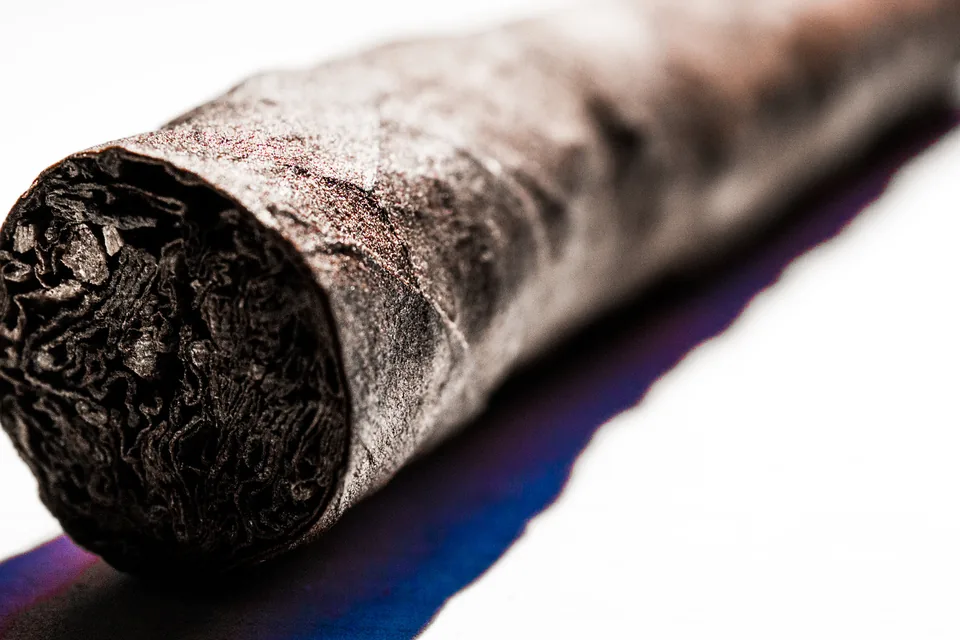
The catalogue is huge, so here are the lines most smokers know.
| Line | Style | Strength |
|---|---|---|
| ACID | Infused with botanical aromas | Mild to medium |
| Undercrown | Traditional; maduro, shade and sun-grown versions | Medium to full |
| Liga Privada No. 9 | Connecticut broadleaf oscuro wrapper | Full |
| Liga Privada T52 | Connecticut stalk-cut Habano wrapper | Full |
| Herrera Estelí | Cuban-style blend by Willy Herrera | Medium |
| Kentucky Fire Cured | Includes smoky, fire-cured Kentucky leaf | Medium to full |
ACID put the company on the map. Its cigars use herbal and botanical oils, so they smell sweet and perfumed. By contrast, Liga Privada began as a private blend for the owners. It later became a cult cigar, and our Liga Privada No. 9 review covers it in detail.
Undercrown has a neat back story. It began as a cigar the rollers themselves smoked, built with tobacco similar to Liga Privada.
House style
In general terms, there is no single Drew Estate taste. The infused lines are sweet and aromatic. The traditional lines, however, lean dark, earthy and rich, with coffee, cocoa and pepper. Many of them use broadleaf or other dark wrapper leaves.
Branding is part of the style too. Labels and packaging draw on street art and hip-hop culture rather than old-world crests.
Strengths and criticisms
On the plus side, Drew Estate cigars brought many new people into cigars, especially through ACID. Liga Privada and Undercrown also won respect from traditional smokers. In addition, the factory’s tours have made the company unusually open.
Still, the criticisms are clear. Many traditional smokers dislike infused cigars, since the aroma can hide the tobacco. Some also worry that a corporate owner may push volume over craft. Finally, Liga Privada was scarce for years, which frustrated fans.
Drew Estate in Malaysia
Drew Estate is a niche name in Malaysia, known mostly to smokers who follow American cigar media. Local search interest is small, and non-Cuban cigars tend to be harder to find than Habanos. Infused cigars also differ from the flavoured cigarillos seen in convenience stores, which our page on convenience-store cigars explains.
Sweet aromas do not make a cigar safer. Read our page on cigar health risks, and check our guide to bringing cigars into Malaysia before you travel.
Where to read more
- Nicaraguan cigars: Estelí and its tobacco
- Rocky Patel: another newcomer that grew into a major house
- Cigar brands: every profile in our directory
Frequently asked questions
Who owns Drew Estate?
Swisher International, a US tobacco company, bought Drew Estate in 2014 and runs it as a subsidiary. Drew Estate is sometimes linked to Swedish Match in error; Swedish Match is a separate company that Philip Morris International bought in 2022.
Where are Drew Estate cigars made?
At La Gran Fabrica Drew Estate in Estelí, Nicaragua. It is one of the largest hand-rolled cigar factories in the world.
What are ACID cigars?
ACID is Drew Estate’s line of infused cigars. The tobacco takes on aromas from herbs and botanical oils, so the smoke is sweet and perfumed. Traditional smokers either love or avoid them.
Is Liga Privada strong?
Liga Privada No. 9 is full-bodied and dark, with a Connecticut broadleaf wrapper. It is not a beginner’s cigar. See our cigar strength guide for the scale.