Origins
Cuban Cigars: The Complete Guide to Habanos
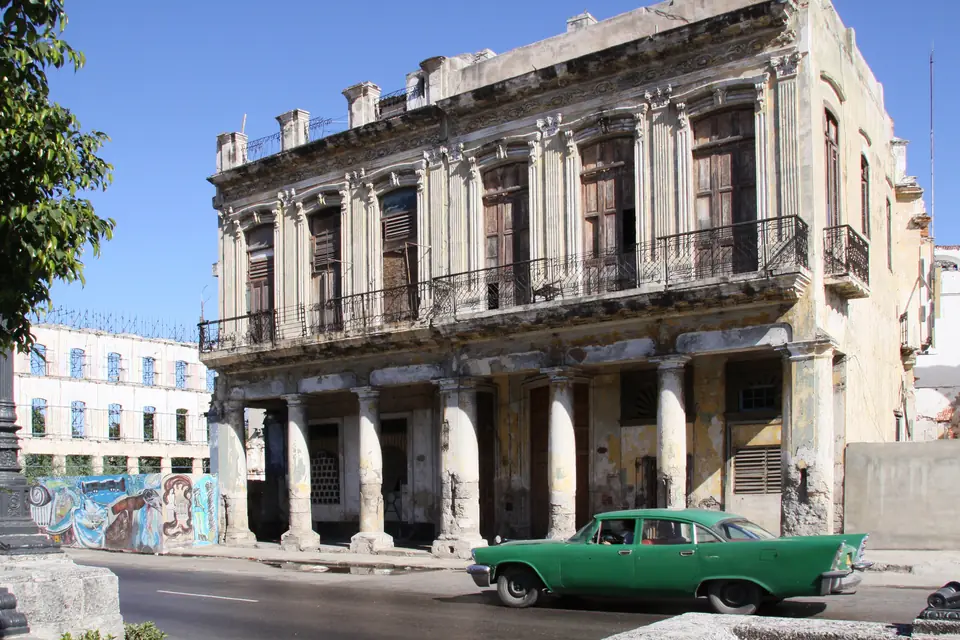
Where Cuban tobacco grows, how Habanos are made and boxed, what the seals and codes mean, and why Malaysians can enjoy them legally.
Cigar Malaysia Guide is an independent editorial site about cigars for adults aged 18 and over. We do not sell tobacco.
No, take me to the Ministry of HealthSmoking causes cancer, heart disease and other serious illness.
Origins
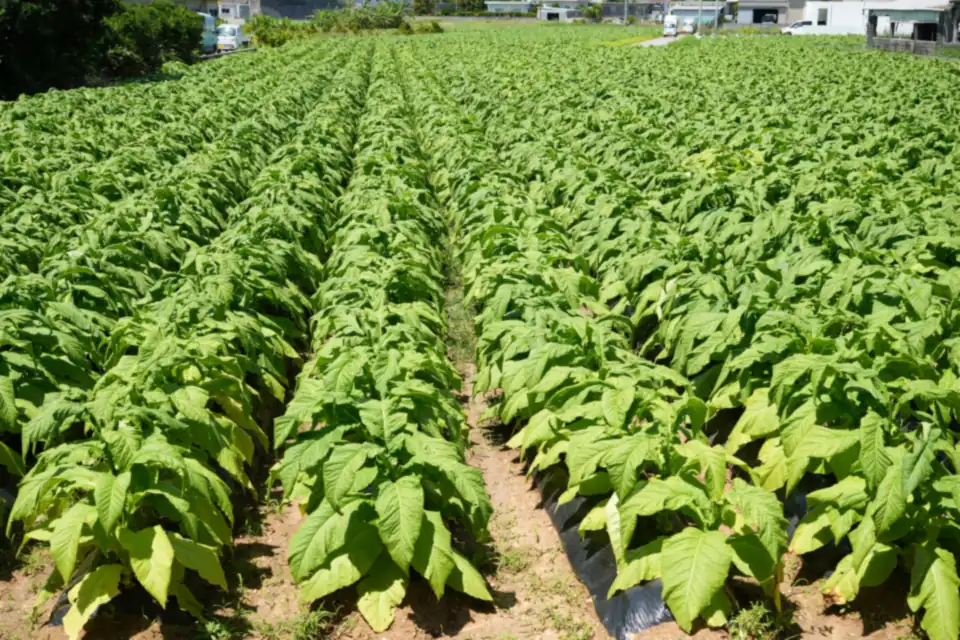
Where premium cigars come from, what each country’s tobacco tastes like, and who makes the most.
Photo: Kugel~commonswiki / CC BY-SA 4.0
Cigar producing countries are fewer than you might think. Almost every premium, hand-rolled cigar comes from a small arc of the Caribbean and Central America: Cuba, Nicaragua, the Dominican Republic and Honduras. Yet the leaf inside often travels much further, from Ecuador, Connecticut, Brazil, Cameroon or Indonesia. This section explains each origin, what its tobacco tastes like, and why it matters when you pick a cigar.
Soil and climate shape the taste of tobacco. So the same seed can taste quite different in two places. The table gives a quick overview, and each country has its own guide.
| Country | Key regions | Signature tobacco | Typical character |
|---|---|---|---|
| Cuba | Vuelta Abajo, Partido, Semi Vuelta | Cuban Criollo and Corojo hybrids | Earthy, leathery, sweet spice; medium to full |
| Nicaragua | Estelí, Jalapa, Condega, Ometepe | Cuban-seed habano, criollo and corojo grown in volcanic soil | Peppery, rich, often full strength |
| Dominican Republic | Cibao valley (Santiago, Navarrete, Villa González) | Piloto Cubano and Olor Dominicano filler | Smooth, creamy, balanced; mild to medium-full |
| Honduras | Danlí, Jamastrán valley, Santa Rosa de Copán | Corojo and Cuban-seed filler | Hearty, earthy, robust; medium to full |
| Other origins | Ecuador, Connecticut, Mexico, Brazil, Cameroon, Indonesia | Wrapper leaf: Connecticut shade, Sumatra, San Andrés, Mata Fina | Shapes the colour and much of the flavour |
Bear in mind that a cigar’s “origin” usually means the country where a factory rolled it. A Dominican cigar might have an Ecuadorian wrapper, a Mexican binder and filler from three countries. Only Cuban cigars must be Cuban leaf all the way through.
Cuba is the most famous origin, but it is not the biggest. The best public data comes from US import statistics, since the US is the world’s largest premium cigar market. They leave out Cuba because of the US embargo. Even so, they show clearly who leads among the rest.
For decades, the Dominican Republic led. Then, in 2016, Nicaragua pulled ahead, shipping 134.4 million premium cigars to the US against the Dominican Republic’s 115.6 million, as Cigar Aficionado reported. In 2017, the order held: Nicaragua 148.3 million, the Dominican Republic 118.5 million and Honduras 61.8 million.
The gap has since widened. The US imported a record 430 million premium cigars in 2024, and Nicaragua supplied just under 60% of them, according to halfwheel. In second place came the Dominican Republic, with Honduras third. Cuba, for its part, sells only through Habanos S.A., which reported record sales of about US$827 million in 2024.
Malaysia is unusual among big cigar markets. Because there is no embargo on Cuba, Cuban cigars are legal here. So a Malaysian humidor can hold a Cohiba next to a Padrón from Nicaragua or a Davidoff from the Dominican Republic. Smokers in the US cannot easily do that, and smokers in Cuba rarely see the “New World” brands at all.
That choice is a real plus. It lets you compare styles for yourself. However, it also brings risks. Fake Cuban cigars are common, so our guide to counterfeit cigars is worth reading first. All tobacco is also subject to duty and Act 852, which our guide to cigar laws in Malaysia explains.
If you are new to cigars, start with the country guides in the order above. Then read about the cigar wrappers that come from Ecuador, Connecticut and Indonesia, since the wrapper drives much of the flavour. For the deeper story of how cigars spread from the Caribbean to Southeast Asia, see our history of cigars.
Origins
Where Cuban tobacco grows, how Habanos are made and boxed, what the seals and codes mean, and why Malaysians can enjoy them legally.
Origins
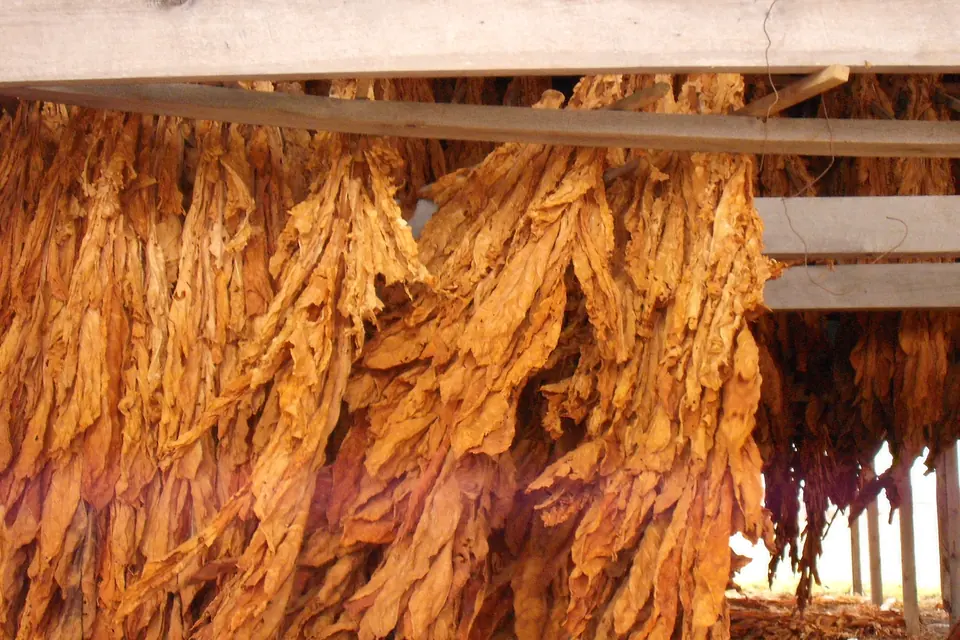
How Nicaragua became the world’s biggest premium cigar exporter, and what its volcanic tobacco tastes like.
Origins
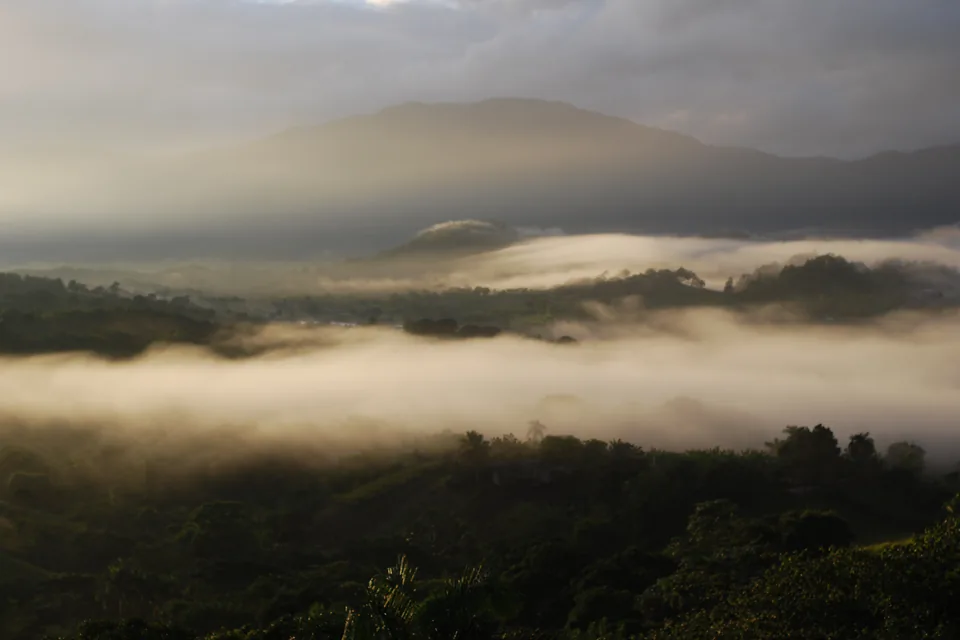
How the Dominican Republic became a cigar superpower, and what to expect from its smooth, balanced style.
Origins
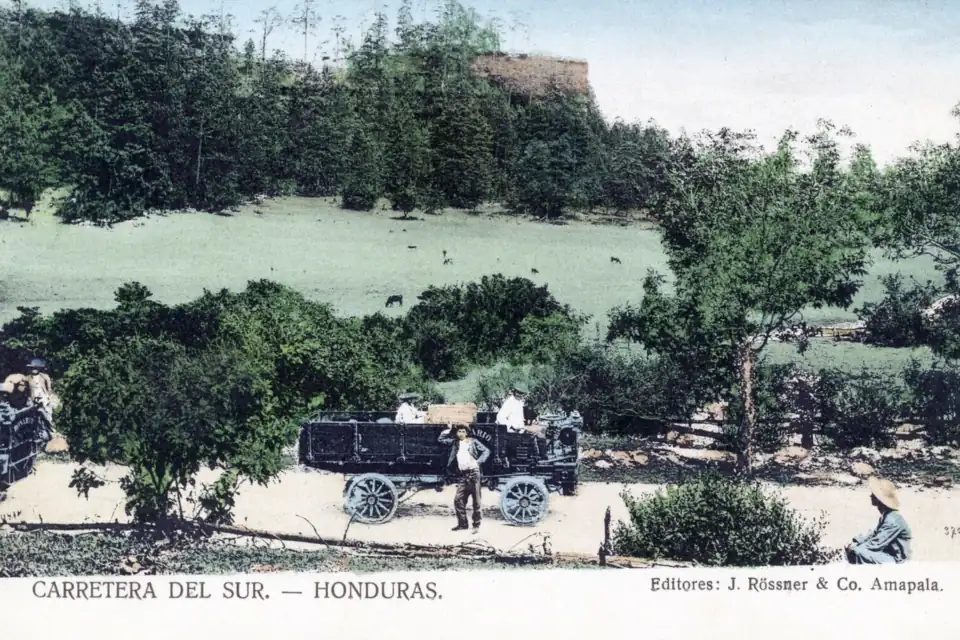
Honduras is the third great Central American cigar country. Here is where its tobacco grows and what it tastes like.
Origins
Beyond the big four, a handful of places grow the wrappers and leaf that shape how cigars look and taste.
Origins
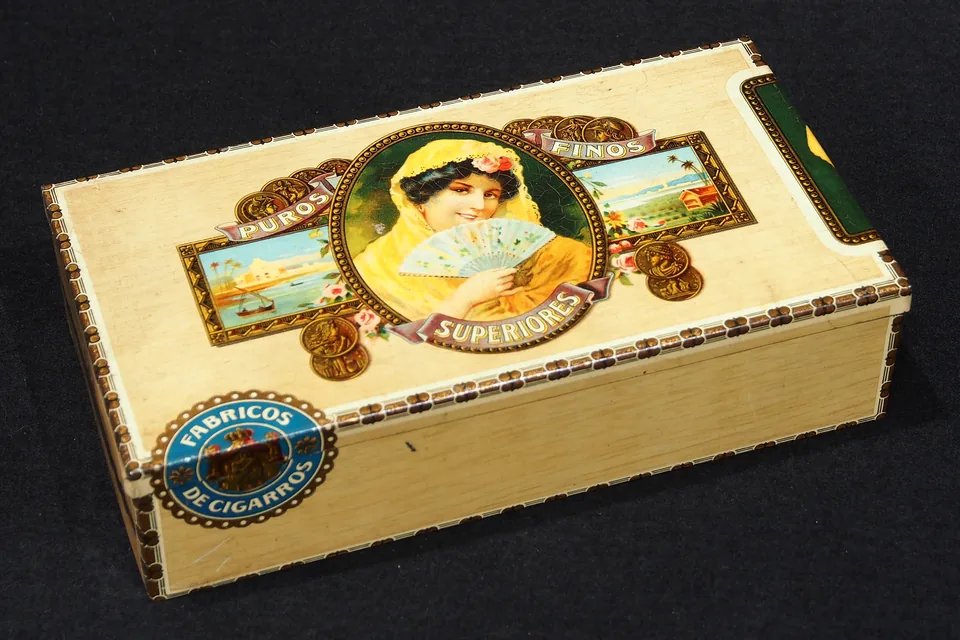
A step-by-step check of the seal, box, bands and cigars, and the warning signs that matter most.