Knowing the parts of a cigar makes everything else easier. When you understand where the cap sits, you know where to cut. When you know what the filler is, you can make sense of strength and flavour. And once you can name each layer, cigar bands, reviews and shop staff all start to make sense.
A cigar has two kinds of anatomy. There are the outside parts you can see and touch, and the inside layers of leaf that make up the cigar. This guide covers both, in plain terms. For the wider picture of shapes and styles, see our guide to types of cigars.
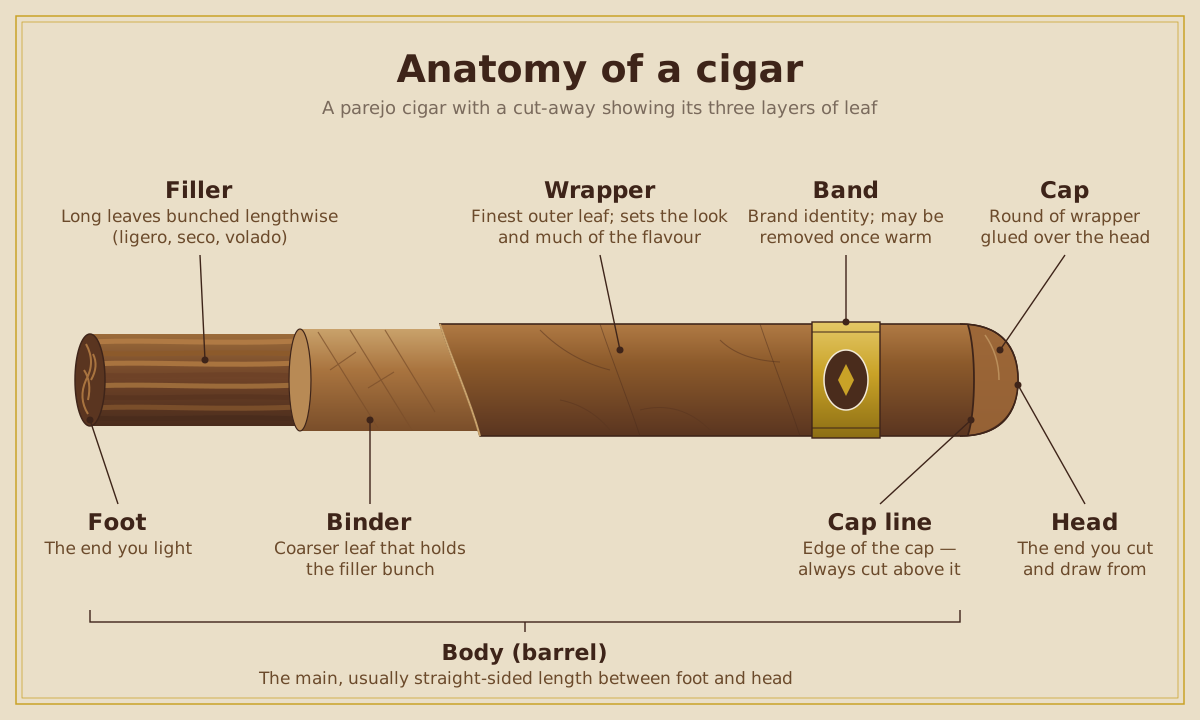
The outside parts of a cigar
Start at the end you put in your mouth and work towards the end you light.
Head and cap
The head is the closed end of the cigar. On most cigars it is round, though on a torpedo or pirámide it comes to a point. The head is the end you cut before smoking.
The cap is a small piece of wrapper leaf that seals the head. Rollers cut it from the same leaf as the wrapper, then glue it on with a dab of natural gum. Many cigars have a single cap. A triple cap, made of three overlapping layers, is a traditional mark of Cuban rolling and also appears on some other premium cigars.
Cap line
The cap line is the faint seam where the cap meets the wrapper. It matters because it holds the whole wrapper in place. When you cut, always stay above it, or the wrapper may unravel. Our guide on how to cut a cigar shows how.
Body
The body is the main length of the cigar, between the head and the foot. This is where you can judge the wrapper’s colour, oils and veins. A well-made body feels evenly firm along its length, with no hard knots or soft spots.
Foot
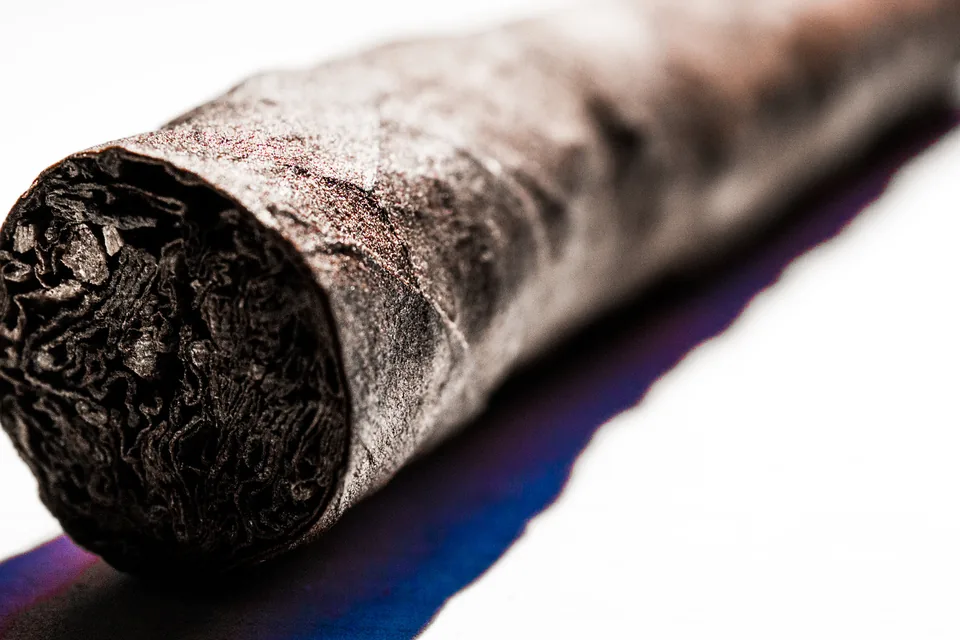
The foot is the open end that you light. Here you can see the filler leaves packed inside. On most cigars the foot is cut flat. Some figurados, such as perfectos, have a closed or tapered foot, which gives a small, concentrated first few puffs.
Band
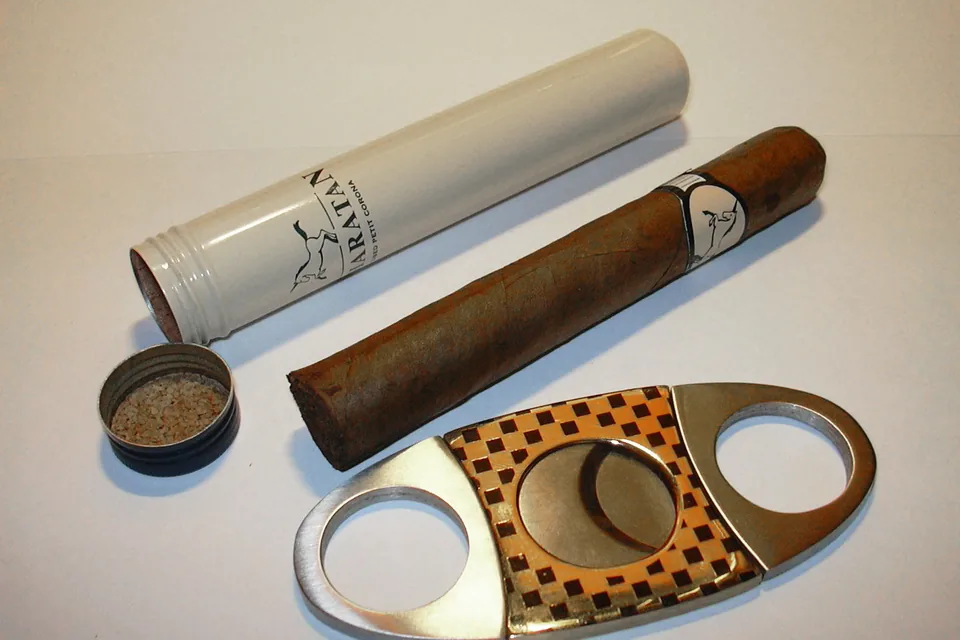
The band is the paper ring near the head. It shows the brand and often the line or size. Historically, bands helped identify brands. Today they are also part of a cigar’s look. On a Cuban cigar, the band design is one of the things people check for authenticity.
You can leave the band on or take it off. Either way, wait until the cigar has warmed up. By then the gum has softened, so the band slides off without tearing the wrapper.
Inside the cigar: wrapper, binder and filler
Every premium cigar is built from three layers of tobacco. Each one has a different job.
| Layer | Where it sits | Main job | Typical leaf |
|---|---|---|---|
| Wrapper | Outside | Appearance, texture, much of the aroma and flavour | Thin, elastic, unblemished leaf |
| Binder | Around the filler | Holds the bunch together and supports an even burn | Strong, coarse leaf |
| Filler | Core | Most of the body, strength and complexity | A blend of leaves from different parts of the plant |
Wrapper
The wrapper is the outer leaf. It must look good and roll smoothly, so it is the most demanding leaf to grow. It also strongly shapes flavour, especially in thin cigars. Our guide to cigar wrappers covers colours and seed types.
Binder
The binder is the leaf that holds the filler together. It is usually tougher and less attractive than the wrapper. Because it sits right next to the filler, it also adds flavour and helps control how the cigar burns. People often overlook the binder, but blenders treat it as a key part of the recipe.
Filler
The filler is the core of the cigar. It is usually a blend of several leaves, chosen for strength, aroma and burn. In fact, the filler is where most of a cigar’s character comes from. The art of blending lies mainly in balancing these leaves.
The parts of a cigar filler: ligero, seco, volado and viso
Filler leaves are named for where they grow on the tobacco plant. Higher leaves get more sun, so they are thicker, oilier and stronger.
- Ligero. From the top of the plant. It is the strongest, richest leaf and burns slowly. Too much ligero makes a cigar heavy and hard to keep lit.
- Viso. A grade from the upper-middle part of the plant, between seco and ligero. Not every grower uses this term, but where it appears it means a glossy leaf with good flavour and medium strength.
- Seco. From the middle of the plant. It is lighter and more aromatic, and it carries much of a cigar’s flavour.
- Volado. From the bottom of the plant. It has little flavour or strength, but it burns well. As a result, it keeps the cigar smouldering evenly.
Blenders place these leaves carefully. Ligero usually sits in the centre of the bunch, because it burns slowest. Seco and volado then surround it. This layout helps the cigar burn evenly from edge to centre.
Long filler vs short filler
A long-filler cigar uses whole leaves that run from head to foot. It burns slowly and evenly, and the flavour can change as you smoke. Nearly all premium cigars are long filler.
A short-filler cigar uses chopped leaf, often trimmings from long-filler production. It burns faster and hotter, and it may drop bits of tobacco. Mixed-filler cigars sit in between, with some long leaves and some short pieces. Most machine-made cigars and cigarillos use short filler.
How the leaves are bunched
Before the wrapper goes on, the roller gathers the filler leaves and wraps them in the binder. This step is called bunching. The method affects how well the cigar draws.
There are several common techniques:
- Entubado. The roller folds each filler leaf into a small tube, then gathers the tubes together. The channels let air flow easily, so the draw is open. It is slow and skilled work, and it is a traditional Cuban method.
- Book. The leaves are laid on top of each other and folded like the pages of a book. It is quicker, though it can give a tighter draw if done carelessly.
- Accordion. The leaves are pleated back and forth, creating air channels along the cigar.
After bunching, the roller places the bunch in a wooden or plastic mould and presses it for a while. Then a skilled roller, or torcedor, stretches the wrapper around it and adds the cap. Our guide to hand-rolled vs machine-made cigars covers this process in more depth.
What are cigars made of?
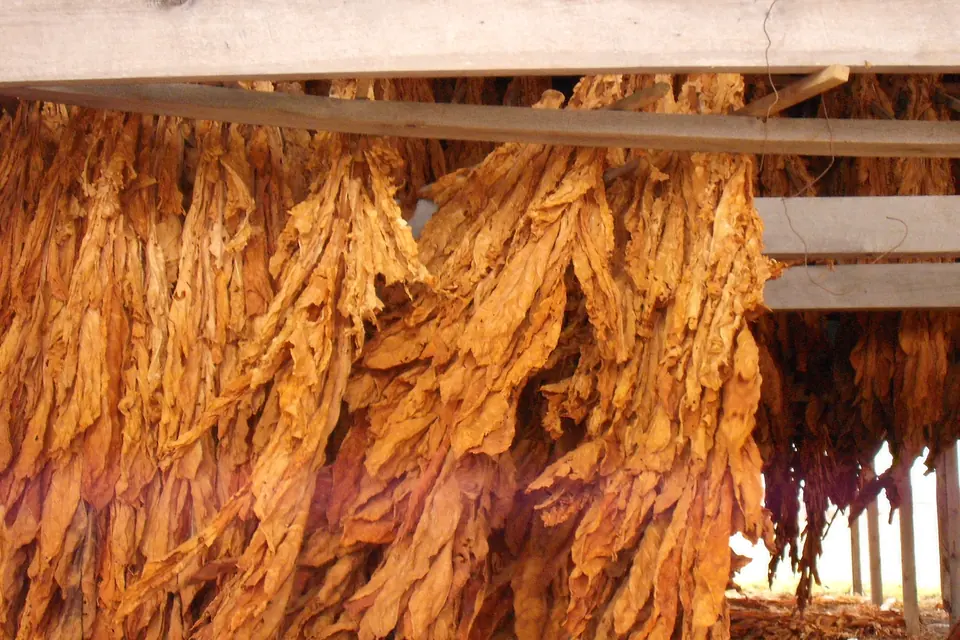
A premium cigar is made only of tobacco leaf. The leaf is grown, cured, fermented and aged before rolling. The only non-tobacco ingredient is a tiny amount of natural, flavourless vegetable gum that holds the cap and the end of the wrapper in place.
Machine-made cigars can be different. Many use homogenised tobacco, which is a sheet made from ground tobacco and binding agents. Some cigarillos and flavoured cigars also contain added flavourings or sweeteners. The packaging or the maker’s information usually tells you more.
Health note
“All natural” does not mean safe. Cigar smoke contains nicotine and many of the same toxic and cancer-causing chemicals as cigarette smoke, according to the US National Cancer Institute. See our guide to cigar health risks.
Why the parts of a cigar matter in Malaysia
Each layer reacts to Malaysia’s climate. The wrapper is the most sensitive, so it can crack in dry air-conditioned rooms or turn soft in the 70 to 90 per cent humidity outdoors. The filler matters too. If it is too moist, the draw tightens and the cigar struggles to stay lit.
Good storage protects all three layers at once. Aim for a steady 65 to 70 per cent humidity, out of direct sun. Our guide on how to store cigars explains how to manage this in the tropics.
Where to go next
Now that you know the parts of a cigar, the next steps are practical. Learn how to cut a cigar without damaging the cap, and then how to light a cigar evenly at the foot. If you are new to all this, our guide to cigars for beginners puts it together step by step.
Frequently asked questions
What are cigars made of?
A premium cigar is made entirely of cured and fermented tobacco leaf: filler, binder and wrapper. The cap is fixed with a tiny amount of natural, flavourless vegetable gum. Machine-made cigars may also use homogenised tobacco sheet and, in some cases, added flavourings.
Which end of a cigar do you light?
You light the foot, the open end where you can see the filler. The head, the closed end with the cap, is the end you cut and put in your mouth.
What is a cigar binder?
The binder is a coarse, strong tobacco leaf wrapped around the filler. It holds the bunch together and helps the cigar burn evenly. The wrapper is then rolled over it.
Should you remove the cigar band?
It is up to you. Many smokers leave the band on until the ember is a little closer, then peel it off once the cigar has warmed and the gum has softened. Removing it too early can tear the wrapper.
What is a triple cap?
A triple cap is three small, overlapping pieces of wrapper leaf layered over the head. It is a traditional hallmark of Cuban rolling and is seen on some other premium cigars. It holds the head firmly and gives you room for a clean cut.