How long do cigars last? The honest answer is anywhere from a few days to several decades. It all depends on where you keep them. A premium cigar has no printed expiry date. Instead, its life depends on humidity, temperature and time. In Malaysia’s climate, the gap between good and bad storage is very wide, so this guide gives realistic timelines for each situation.
How long do cigars last in a humidor?
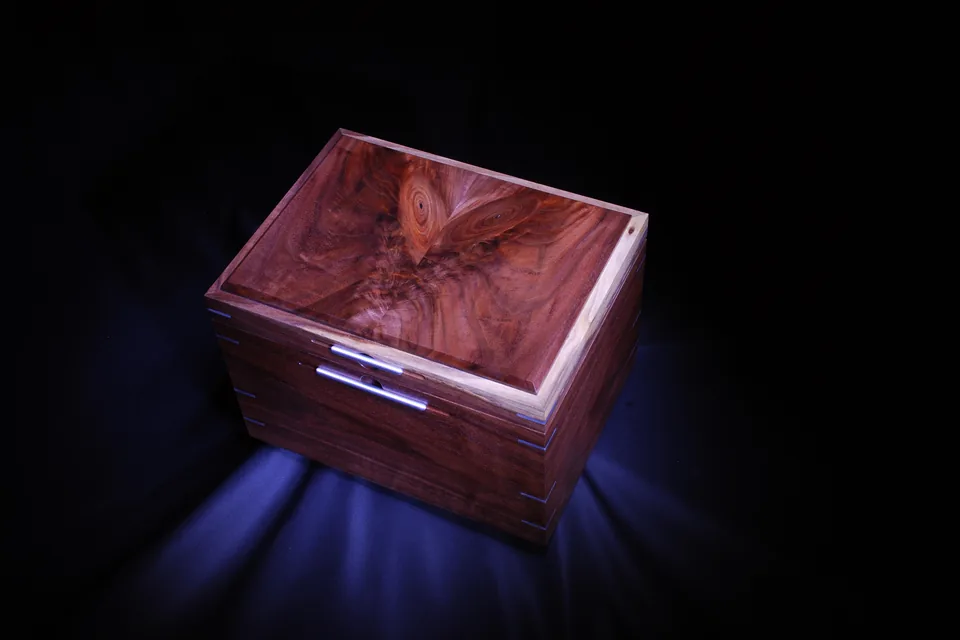
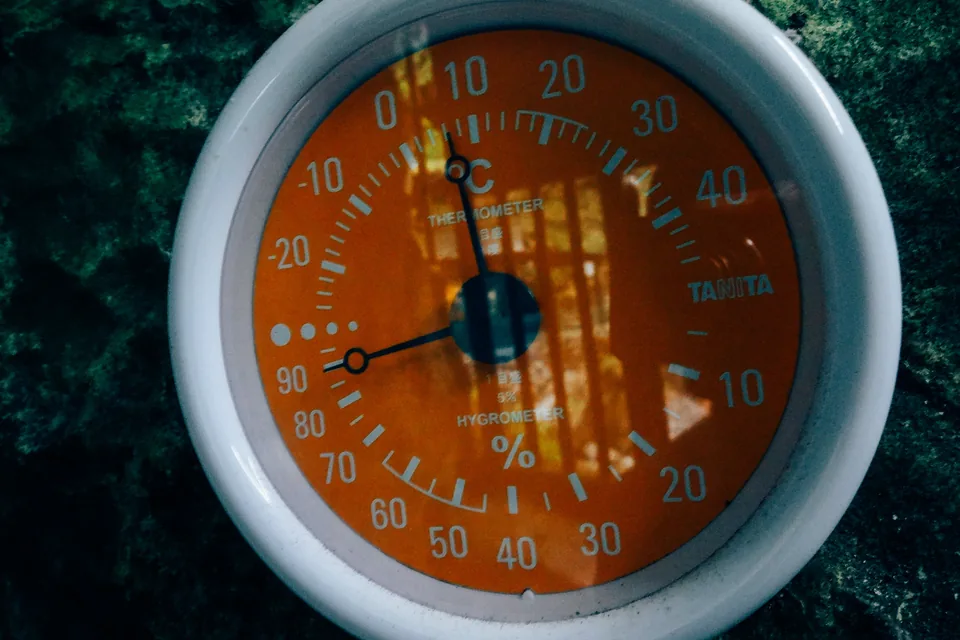
In a well-run humidor, premium cigars last for years and often for decades. As long as humidity stays stable at around 62–69% and the temperature stays cool, the tobacco simply rests. Many collectors smoke cigars that are 10, 20 or even 30 years old.
Over that time, the cigar does change. This slow change is called ageing. Sharp, peppery notes tend to soften, and flavours blend. Many smokers find that full-bodied cigars improve for five to ten years. Mild cigars, by contrast, may lose character sooner.
In Malaysia, however, “a humidor” is not enough on its own. A wooden box in a room at 30 °C keeps humidity but not temperature. For years of storage, you need cool conditions too, ideally about 18–21 °C. Our pillar guide on how to store cigars compares humidors, tupperdors and cooled cabinets.
How long do cigars last outside a humidor?
Outside any storage, a cigar slowly moves towards the humidity of the room. In a cool, temperate country, that takes a week or two. In Malaysia, the speed depends on where the cigar sits.
| Where the cigar is | Roughly how long it stays smokable | What goes wrong |
|---|---|---|
| Air-conditioned room, out of its box | 3–7 days | Dries, turns brittle and burns hot |
| Under an aircon vent | 1–3 days | Dries very fast; wrapper may crack |
| Non-air-conditioned room, 28–32 °C | About a week | Softens and warms; beetle and mould risk |
| Outdoors or on a balcony | A day or two | Absorbs moisture, heats up, may sweat |
| Inside a parked car | Hours | Overheats; can dry out or wake beetle eggs |
These are rough guides, not exact limits. A large cigar holds moisture longer than a thin one. Still, the pattern is clear. Aircon dries cigars quickly, while open tropical air makes them damp and warm.
Malaysia tip
If you bring cigars home without a humidor, put them in a sealed food container or ziplock bag in your coolest room the same day. Add a two-way humidity pack if you have one.
In cellophane, tubes and bags
Packaging slows the changes down, but it does not stop them.
In cellophane
The thin plastic sleeve on many cigars cuts down air movement. As a result, a cellophaned cigar dries more slowly than a bare one, perhaps by a week or so. However, cellophane is not airtight. The ends are open, so moisture still escapes. Treat it as a buffer for short trips, not as storage.
In tubes
Aluminium or glass tubes, often lined with thin cedar, are more protective. A sealed tube can keep a cigar in fair shape for a few weeks. After that, it slowly dries. Note that once you open the tube, it no longer seals the same way.
In a ziplock bag
A thick ziplock bag is surprisingly effective. On its own, it slows drying for a week or two. Add a two-way humidity pack, such as a 65% or 69% Boveda, and the bag can keep cigars well for several weeks or even a few months. Above all, keep the bag in a cool room.
Do cigars expire?
Cigars do not expire like milk or medicine. There is no date after which a well-stored cigar becomes unsafe to smoke. That said, cigars are never safe to smoke in a health sense, and our page on cigar health risks explains why.
What does happen is that a cigar can go bad. That usually means one of three things: it dried out too far, it grew mould, or it got beetles. Each is a storage problem rather than an age problem. In fact, an old cigar in good storage is often in better shape than a new one left on a desk.
Signs a cigar has gone bad
Check any old or forgotten cigar before you smoke it. These are the warning signs.
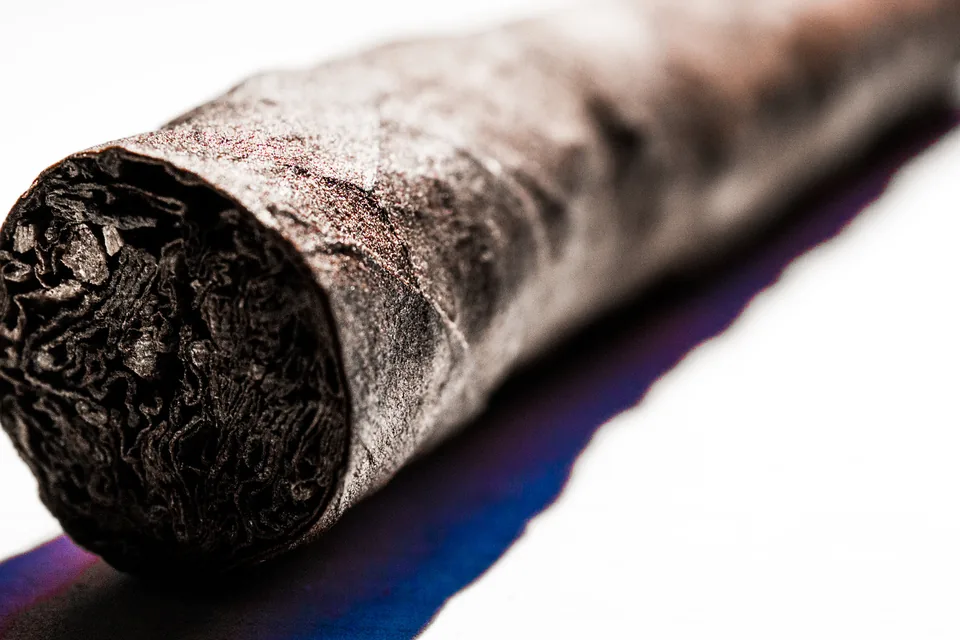
- Mould. Fuzzy or furry spots, often blue, green or grey-white, that may stain the wrapper. Mould is a reason to throw the cigar away.
- Plume or bloom. A fine, even, white-grey dust that wipes off without a stain. This is crystallised oil, it is harmless, and it is not mould. Our guide to mould, plume and beetles shows how to tell them apart.
- Beetle holes. Tiny round pinholes in the wrapper, often with tunnels inside. The tobacco beetle wakes in warm conditions, and Cigar Aficionado sets the hatching threshold at about 22 °C with high humidity.
- Smell. A musty, sour or damp-cardboard smell instead of a sweet tobacco aroma.
- Feel. A cigar that crackles loudly, or whose wrapper flakes away when touched, is very dry. In contrast, one that feels soggy is far too wet.
How to rehydrate cigars safely
Dry cigars can often be saved, as long as there is no mould or beetle damage. The secret is patience. Dry tobacco absorbs water unevenly. If you add moisture too fast, the wrapper swells before the filler beneath it, and then it splits.
- Seal them with a low humidity source. Put the cigars in a bag or tupperdor with a 62% or 65% two-way pack. Keep the cellophane on if they have it, since it slows the process down.
- Wait one to two weeks. Leave the container in a cool room and resist the urge to check daily.
- Move up gradually. Then transfer the cigars to your normal storage, such as 65–69%, for another one to two weeks.
- Test before smoking. Squeeze gently along the length. When the cigar feels evenly springy, it is ready. Very dry cigars may need a month or more.
Never wet a cigar directly, never mist it, and never put it straight into 72% or 75% humidity. Microwaves and steam are also a bad idea. Finally, accept that a very dry cigar may never regain all of its aroma, even if it smokes well again.
Smoking an old cigar
If you find an old box, check for mould and beetles first. Then let the cigars rest in good storage for a couple of weeks, even if they seem fine. This evens out moisture inside each one.
Old cigars often smoke more gently than young ones. Expect softer strength and quieter flavours, sometimes with notes of leather, cedar or dried fruit. If the wrapper looks fragile, cut it carefully with a sharp double-blade cutter. Our guide on how to smoke a cigar covers lighting and pacing.
How long does a cigar take to smoke?
People also ask how long a cigar lasts once lit. The answer depends mainly on its length and ring gauge, plus how tightly it is rolled and how often you puff. These are typical times at a relaxed pace of about one puff a minute.
| Size (vitola) | Typical size | Approximate smoking time |
|---|---|---|
| Cigarillo | Under 4 in, thin | 10–20 minutes |
| Petit corona | About 4.5 in × 40–42 | 25–40 minutes |
| Corona | About 5.5 in × 42–44 | 40–55 minutes |
| Robusto | About 5 in × 50 | 45–60 minutes |
| Toro | About 6 in × 50–54 | 60–75 minutes |
| Torpedo / belicoso | About 6 in × 52, tapered head | 60–80 minutes |
| Churchill | About 7 in × 47–48 | 75–90 minutes |
| Double corona | About 7.5 in × 49–52 | 90–120+ minutes |
Try not to rush to finish one. In fact, rapid puffing heats the cigar and makes it taste bitter. For more on formats, see our cigar sizes guide.
The short answer
To sum up, how long cigars last comes down to storage, not age. A cool, stable humidor keeps them for decades. Left unprotected in an air-conditioned room, they start to dry within days. Meanwhile, in damp tropical heat, they soften and risk mould and beetles. So if you plan to keep cigars for more than a few days, give them a sealed container, a humidity pack and the coolest spot in your home.
Frequently asked questions
Do cigars expire?
Not in the way food does. A well-stored premium cigar can stay smokable for decades. Cigars do go bad, though, if they dry out badly, grow mould or get beetles.
How long do cigars last in a humidor?
Many years, as long as humidity and temperature stay stable. Collectors regularly smoke cigars that are 10, 20 or more years old. In Malaysia, the humidor must also stay cool, ideally at about 18–21 °C.
How long do cigars last in a ziplock bag?
With a two-way humidity pack inside and the bag kept in a cool room, several weeks to a few months. Without a pack, about a week or two before the cigars begin to dry.
Can you rehydrate cigars?
Yes, if they are dry but not damaged. Place them with a low humidity pack, such as 62% or 65%, for one to two weeks, then move them to normal storage. Never mist them or put them straight into high humidity.
Can you smoke a cigar that is 20 years old?
Yes, if it was stored well. Many smokers seek out aged cigars for their smoother, more rounded taste. Check it for mould, beetle holes and cracks first.
How long does a cigar take to smoke?
Anywhere from about 30 minutes for a small corona to two hours or more for a large double corona. Size, ring gauge, how tightly it is rolled and your pace all play a part.