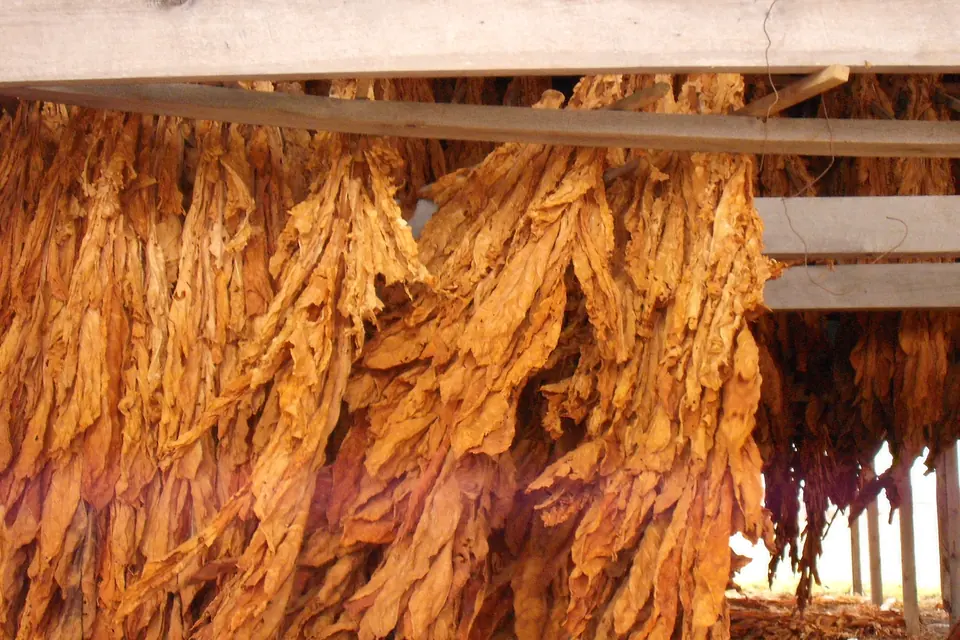
Cigar wrappers are the first thing you see and the first thing you taste. The wrapper is the outer leaf that holds a cigar together. It gives the cigar its colour, much of its aroma and the texture you feel on your lips. It is also the hardest leaf to grow, which is why it often costs the most.
This guide explains wrapper colours, the main seed varieties, how growing and fermentation change a leaf, and what flavours to expect. It also covers how to look after wrappers in Malaysia’s humid climate. For the wider picture, see our pillar guide to types of cigars.
What a wrapper does
A premium cigar has three layers: filler at the core, a binder leaf around it and the wrapper on the outside. The wrapper must be thin, elastic, evenly coloured and free from large veins. If it is too thick, the cigar tastes harsh. If it is too fragile, it tears during rolling.
Because so few leaves are good enough for cigar wrappers, growers handle wrapper leaf with great care. They often grow it in separate fields, ferment it in separate batches and sort it by hand into many shades. Our guide to the parts of a cigar shows where the wrapper sits.
Cigar wrappers by colour
The cigar trade sorts wrapper leaf into colour grades. Names vary slightly between countries and companies, but the seven below are the most common.
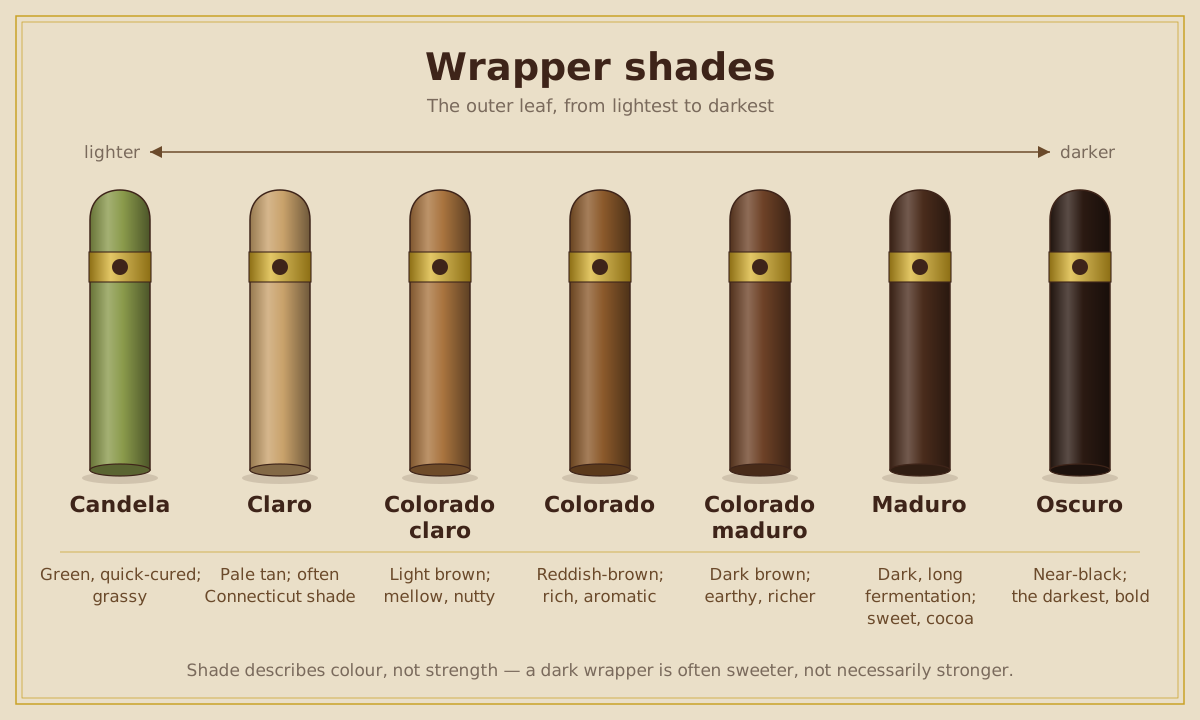
| Grade | Colour | How it is produced | Typical flavour |
|---|---|---|---|
| Candela (double claro) | Green | Picked early and dried quickly to lock in chlorophyll | Grassy, light, slightly sweet |
| Claro | Pale tan | Usually shade-grown, with a light fermentation | Mild, creamy, nutty |
| Colorado claro | Light brown | Shade- or sun-grown, standard fermentation | Toasty, mild to medium |
| Colorado | Reddish brown | Well-ripened leaf, carefully fermented | Rich, aromatic, light spice |
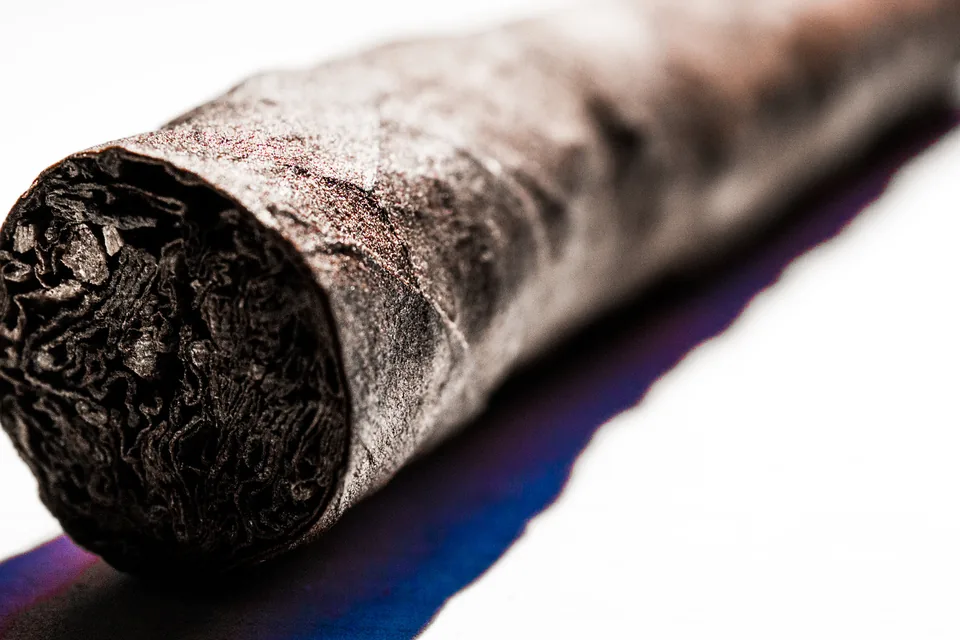
| Colorado maduro | Dark brown | Longer fermentation | Earthy, cocoa, deeper sweetness |
| Maduro | Very dark brown | Sun-grown leaf, extended fermentation | Coffee, dark chocolate, molasses |
| Oscuro | Nearly black | Top leaves, longest fermentation | Intense, earthy, heavy sweetness |
Colour is a rough guide only. Two maduro cigars from different seeds can taste very different. Also, a pale wrapper can cover a powerful filler blend, so never judge strength by colour alone.
Cigar wrappers by seed variety
Colour tells you how a leaf looks. The seed variety and the place it grows tell you much more about how it tastes. These are the varieties you will see named most often.
Connecticut shade and Ecuador Connecticut
Connecticut shade grows in the Connecticut River Valley in the United States. Farmers raise it under cheesecloth tents that filter the sun, which keeps the leaf thin, smooth and pale. It is typically mild, creamy and gently sweet.
Today, much “Connecticut” wrapper actually grows in Ecuador from Connecticut seed. Ecuador’s frequent cloud cover acts as a natural shade. As a result, Ecuador Connecticut is popular for mild cigars around the world.
Connecticut broadleaf
Despite the shared name, broadleaf is a different plant. It grows in full sun and has thick, veiny leaves. Those leaves are ideal for long fermentation, so broadleaf is a classic choice for dark maduro and oscuro wrappers. Expect sweetness, earth and dark chocolate.
Habano and Corojo
Habano is a Cuban-seed variety grown outside Cuba, especially in Nicaragua and Ecuador. It tends to be oily, reddish brown and spicy, with notes of pepper, cedar and leather.
Corojo is a historic Cuban wrapper variety, first developed in the Vuelta Abajo region. From the late 1990s, Cuba moved largely to newer, disease-resistant varieties. Corojo, or descendants of it, is still grown in Honduras and elsewhere. It usually gives a spicy, full flavour.
Criollo
Criollo means “native” in Spanish. In Cuba it traditionally supplied the filler and binder, while Corojo supplied the wrapper. Modern Criollo strains, such as Criollo ‘98, are also used as wrappers outside Cuba. Criollo wrappers often taste sweet, woody and gently spicy.
Cameroon and Sumatra
Cameroon wrapper grows in Central Africa. It is thin and has a bumpy, “toothy” surface. The flavour is usually sweet and spicy, with a delicate aroma. The Arturo Fuente Hemingway line is a well-known example, as our Hemingway Short Story review describes.
Sumatra seed originally comes from Indonesia. Much Sumatra-seed wrapper now grows in Ecuador. It tends to be earthy, slightly sweet and gently spicy. Our page on other cigar origins covers Indonesia’s tobacco history in more detail.
San Andrés Mexican
San Andrés comes from the San Andrés Tuxtla valley in Veracruz, Mexico. It is a sturdy, sun-grown leaf, often fermented to a dark maduro. Smokers commonly describe it as earthy and cocoa-rich with a dry, mineral edge.
Brazilian Arapiraca and Mata Fina
Brazil produces two well-known dark leaves. Arapiraca, from the state of Alagoas, is dark and sweet, with a touch of spice. Mata Fina, from Bahia, is often described as naturally sweet and mellow. Both appear on maduro-style cigars and in many blends.
Shade-grown vs sun-grown
Growers of cigar wrappers choose between two methods. Shade-grown plants grow under cloth, or under natural cloud cover. Less direct sun means thinner, smoother, lighter leaves with a milder taste. Most claro and many colorado claro wrappers are shade-grown.
Sun-grown plants, by contrast, take full sunlight. The leaves grow thicker and oilier, with more sugars and stronger flavour. These leaves suit darker wrappers, because they can handle long fermentation without falling apart. Both methods produce excellent cigars; they simply aim for different styles.
How maduro wrappers are made
Maduro means “ripe” in Spanish. A maduro wrapper usually starts with a thick, sun-grown leaf, often from higher up the plant. The leaf then goes through a longer fermentation than a natural wrapper, sometimes at higher temperatures. Fermentation is the controlled heating of piled tobacco, which releases ammonia and breaks down harsh compounds.
The process can take many months. As it goes on, the leaf darkens and its natural sugars come forward. That is why maduros often taste sweet, with coffee and chocolate notes. Some makers also use heat or pressure to speed things up. Low-cost machine-made cigars sometimes use colouring instead, but that is not true maduro leaf.
Flavour: how much does the wrapper matter?
You will often hear that cigar wrappers provide most of a cigar’s flavour, with figures of 60 per cent or more quoted. Treat that as a rule of thumb, not a measured fact. Still, the idea makes sense. The wrapper is the leaf that touches your lips, and it burns right at the edge of the ember.
The wrapper’s share also depends on size. In a slim lancero, the wrapper is a big part of the total tobacco, so it dominates. In a fat gordo, the filler takes over. You can test this yourself by comparing the same blend in two sizes. Our guide to cigar sizes explains why.
Caring for cigar wrappers in Malaysia’s humidity
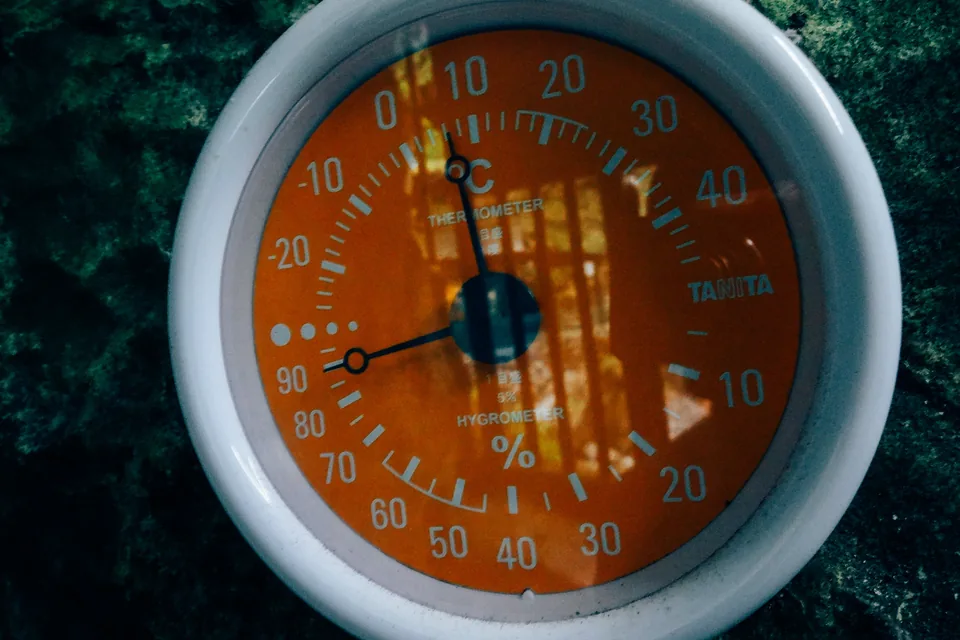
Cigar wrappers are the most sensitive part of a cigar. They react fast to changes in humidity and temperature. Outdoors in Malaysia, humidity often sits between 70 and 90 per cent. A cigar left out for long can turn soft and spongy, and it may burn unevenly.
Indoors, air-conditioning causes the opposite problem. It pulls moisture out of the air, so a cigar can dry out and crack within days. Sudden moves between a cold room and a hot, humid terrace can also split a wrapper.
Malaysia tip
Store cigars at a steady 65–70% relative humidity, away from air-con vents and direct sun. If you carry a cigar outside, keep it in a tube or case until you are ready to smoke. Our guide to cigar humidity gives the full details.
Watch for white dust on the wrapper as well. A fine, powdery bloom or plume is generally harmless, but fuzzy blue-green spots are mould. Our guide to mould, plume and beetles shows how to tell the difference.
Where to go next
Cigar wrappers are only one part of the story. To see how the wrapper, binder and filler work together, read our guide to the parts of a cigar. To understand how strength differs from colour, see the cigar strength guide. And remember that whatever the wrapper, every cigar carries real health risks.
Frequently asked questions
What is the difference between maduro and natural wrappers?
Natural usually means a lighter brown wrapper, such as colorado claro, that has had a standard fermentation. Maduro wrappers are fermented longer and often at higher heat, which darkens the leaf and brings out sweeter, richer flavours.
Is a Connecticut wrapper mild?
Connecticut shade wrappers are usually mild, creamy and smooth. However, the overall strength of the cigar depends on the filler. Connecticut broadleaf is a different, sun-grown leaf that is normally used for dark maduro wrappers.
What is a Habano wrapper?
Habano is a Cuban-seed tobacco grown outside Cuba, most often in Nicaragua and Ecuador. Habano wrappers tend to be reddish brown, oily and spicy, with more pepper than a Connecticut shade leaf.
How much flavour does the wrapper give a cigar?
It is often said that the wrapper provides a large share of a cigar’s flavour, with figures of 60 per cent or more quoted. That is a rule of thumb, not a measured fact. The share is greater in thin cigars and smaller in thick ones.
Why is my cigar wrapper cracking?
Usually the cigar is too dry, often from air-conditioning, or it went from very cold to very humid air too quickly. Keep it at a steady humidity and let it acclimatise before smoking. Our guide to cigar humidity explains the target range.