Plasencia cigars are new as a brand but old as a family business. The Plasencias have grown tobacco since 1865 and rolled cigars for dozens of other companies. Only in 2017 did they put their own name on the band. This profile covers the family’s long history, its farms and factories, the main lines and the house style.
A family of growers since 1865
The story begins with Eduardo Plasencia, who left the Canary Islands for Cuba. According to the family, he started growing tobacco in the Vuelta Abajo in 1865. Later, his son Sixto built up a farm called El Corojal in Pinar del Río and a tobacco supply business.
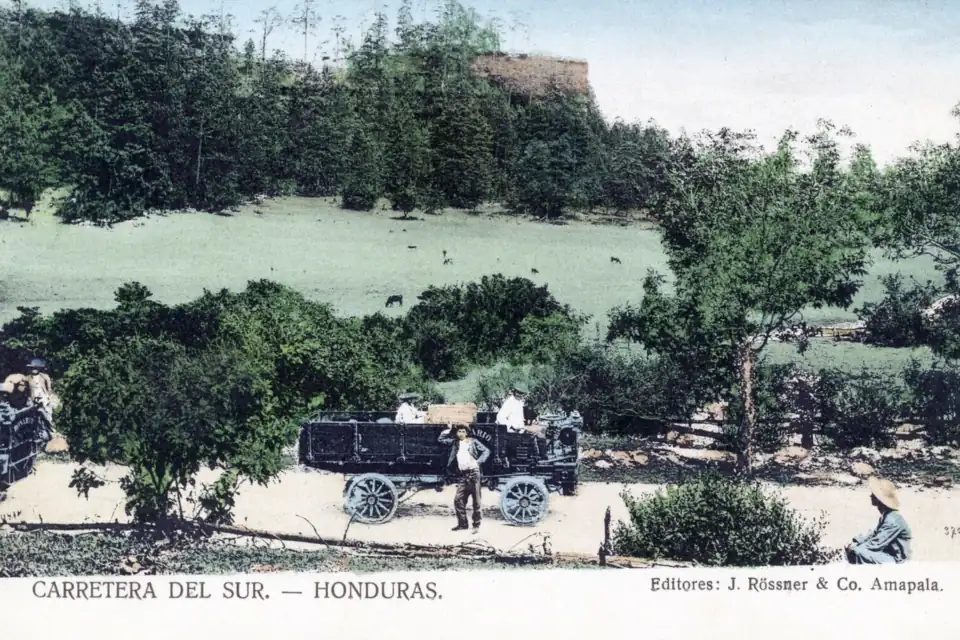
The Cuban Revolution ended that chapter. So the family rebuilt in Nicaragua, planting tobacco in Jalapa from around 1965. Then political unrest pushed them on again in 1978, this time to Danlí and the Jamastrán valley in Honduras. Finally, around 1990, they returned to Nicaragua as well. Our guide to Honduran cigars explains why Danlí matters.
Growers and contract makers
For most of their history, the Plasencias stayed out of the spotlight. Instead, they grew leaf and rolled cigars for other brands. By 2005, the family says, more than 30 brands used Plasencia to make their cigars. Clients have included Rocky Patel and Alec Bradley, among others.
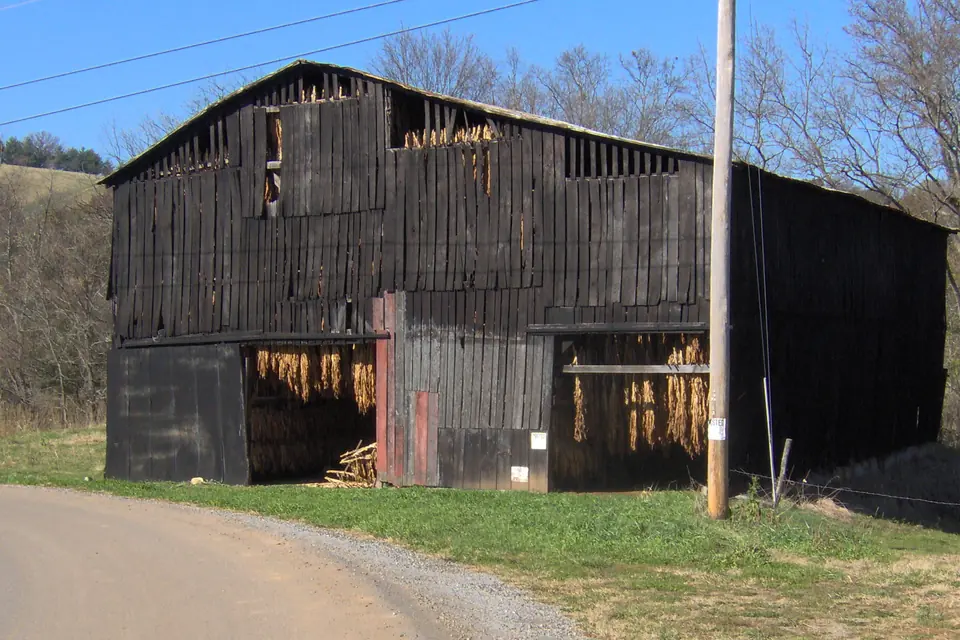
The scale is large. Today the family farms more than 4,900 acres across seven growing areas in Nicaragua and Honduras. These include Estelí, Jalapa, Condega and Ometepe Island in Nicaragua, plus several Honduran valleys. By 2015 its factories were turning out about 40 million cigars a year.
The Plasencia brand
In 2017, Néstor Andrés, Gustavo and José Luis Plasencia, all of the fifth generation, launched the family’s own brand. Néstor Andrés studied farming and led the family’s move into organic tobacco. Their first releases were the Alma series and the organic Reserva Original.
The idea behind the Alma (“soul”) lines is terroir. That simply means the taste of a place. Each one draws on leaf from specific Nicaraguan regions. Our guide to Nicaraguan cigars describes those regions in more detail.
Main lines of Plasencia cigars
Here are the lines most smokers know. All of them come from Nicaragua.
| Line | Wrapper | Strength |
|---|---|---|
| Reserva Original | Nicaraguan, certified organic | Mild to medium |
| Alma del Campo | Nicaraguan criollo | Medium |
| Alma Fuerte | Nicaraguan, colorado claro or oscuro versions | Medium to full |
| Alma del Fuego | Nicaraguan (Jalapa), with Ometepe filler | Medium to full |
| Cosecha series | Single-harvest releases | Varies |
Reserva Original stands out because all its tobacco is organic. In contrast, Alma del Fuego uses filler from the volcanic soils of Ometepe, an island in Lake Nicaragua. Meanwhile, Alma Fuerte comes in a lighter and a darker wrapper, so smokers can compare the two.
House style
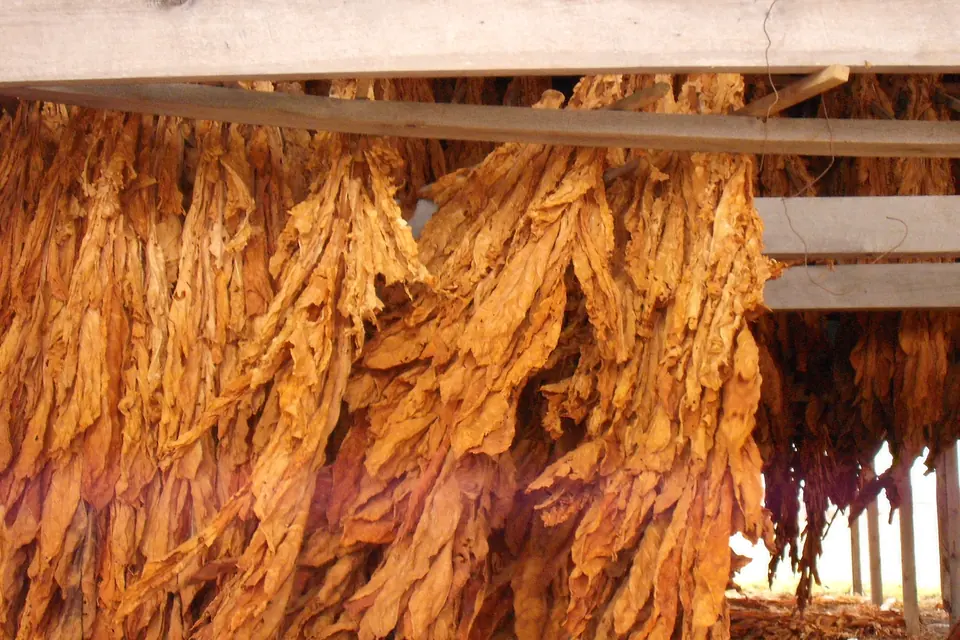
In general terms, Plasencia cigars lean earthy, woody and balanced. Smokers commonly describe cedar, cocoa, coffee and pepper, often with a floral or bready finish. Most lines are Nicaraguan puros, using wrapper, binder and filler from the family’s own farms.
Because the family grows its own leaf, it controls ageing and blending. As a result, the brand puts a lot of weight on where and when each tobacco grew.
Strengths and criticisms
On the plus side, Plasencia cigars draw on more than 150 years of farming skill. The family controls the whole process, from seed to box. In addition, the organic Reserva Original is unusual in the premium market.
That said, the brand is still young next to its farming history. Some smokers find the Alma lines hard to tell apart without trying them side by side. Others note that the family’s name is better known for making other people’s cigars. Finally, the many sizes and limited editions can confuse newcomers.
Plasencia in Malaysia
Plasencia draws some search interest in Malaysia, similar to other non-Cuban names such as Padrón and Oliva. Still, it remains niche, and non-Cuban cigars tend to be harder to find locally than Habanos.
Malaysia’s humidity can quickly affect any cigar, so read our guide on how to store cigars. Organic tobacco is still tobacco, too; our page on cigar health risks explains the facts.
Where to read more
- Nicaraguan cigars: Estelí, Jalapa, Condega and Ometepe
- Rocky Patel: one of the brands Plasencia has rolled for
- Cigar brands: every profile in our directory
Frequently asked questions
Who makes Plasencia cigars?
The Plasencia family makes them in its own factories in Nicaragua. It also grows the tobacco on farms in Nicaragua and Honduras.
When did the Plasencia brand start?
The family has grown tobacco since 1865, but its own cigar brand only launched in 2017. Before that, it mostly grew leaf and made cigars for other companies.
Are Plasencia cigars organic?
Only some. Reserva Original uses certified organic tobacco grown without pesticides. Other lines use conventionally grown leaf.
Are Plasencia cigars strong?
Most sit in the medium range. Reserva Original is mild to medium, while Alma del Fuego and the darker Alma Fuerte versions are medium to full. See our cigar strength guide.